Buyers sometimes treat Mandwa, Jhangora and Ramdana as one product, "Himalayan millets". They are three different crops with different uses, and one of them is not botanically a millet at all. Choosing the right one starts with what you want to make.
The three grains
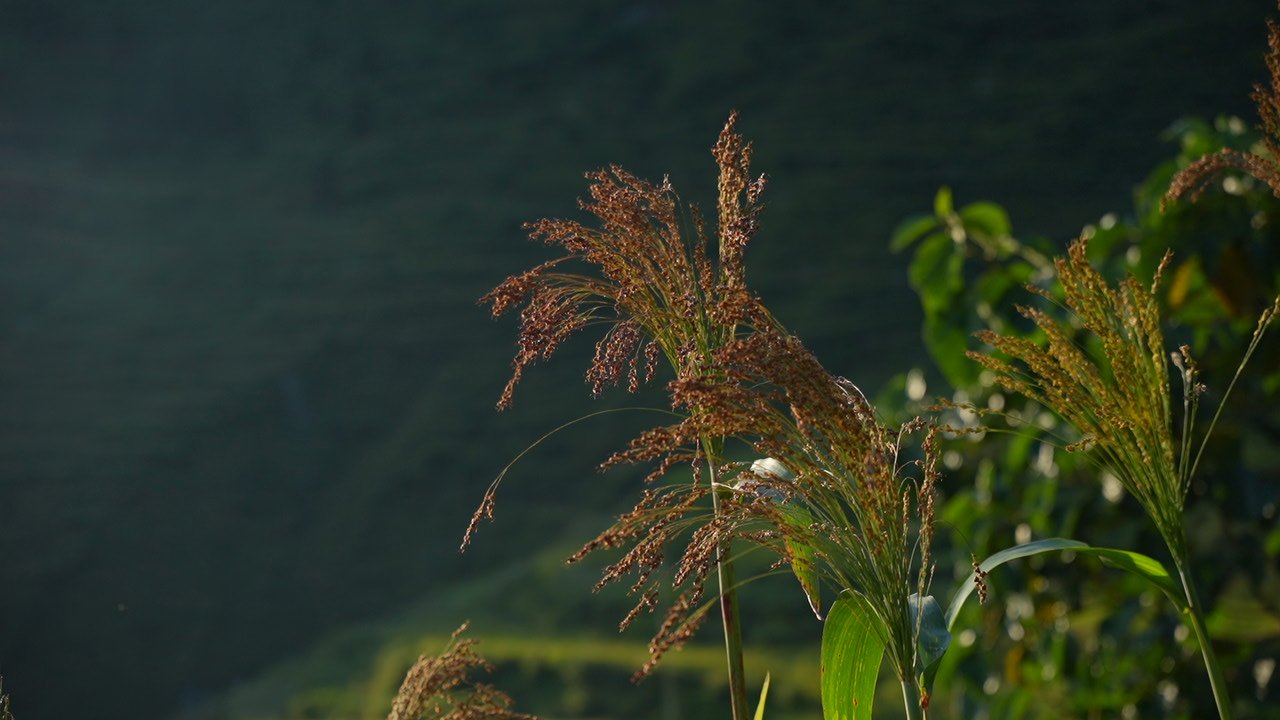
Mandwa (finger millet, Eleusine coracana). A grass grown at elevations of roughly 500 to 2,400 metres in the Himalayan foothills of India and Nepal, and in Uttarakhand in both Garhwal and Kumaon. Per the general reference summary, 100 g provides about 305 calories, roughly 7 percent protein and a good level of dietary fibre. It is traditionally ground into flour for porridge, flatbreads and cakes, and the sprouted grain is malted. It is also known as ragi, marua or mandua. See finger millet.
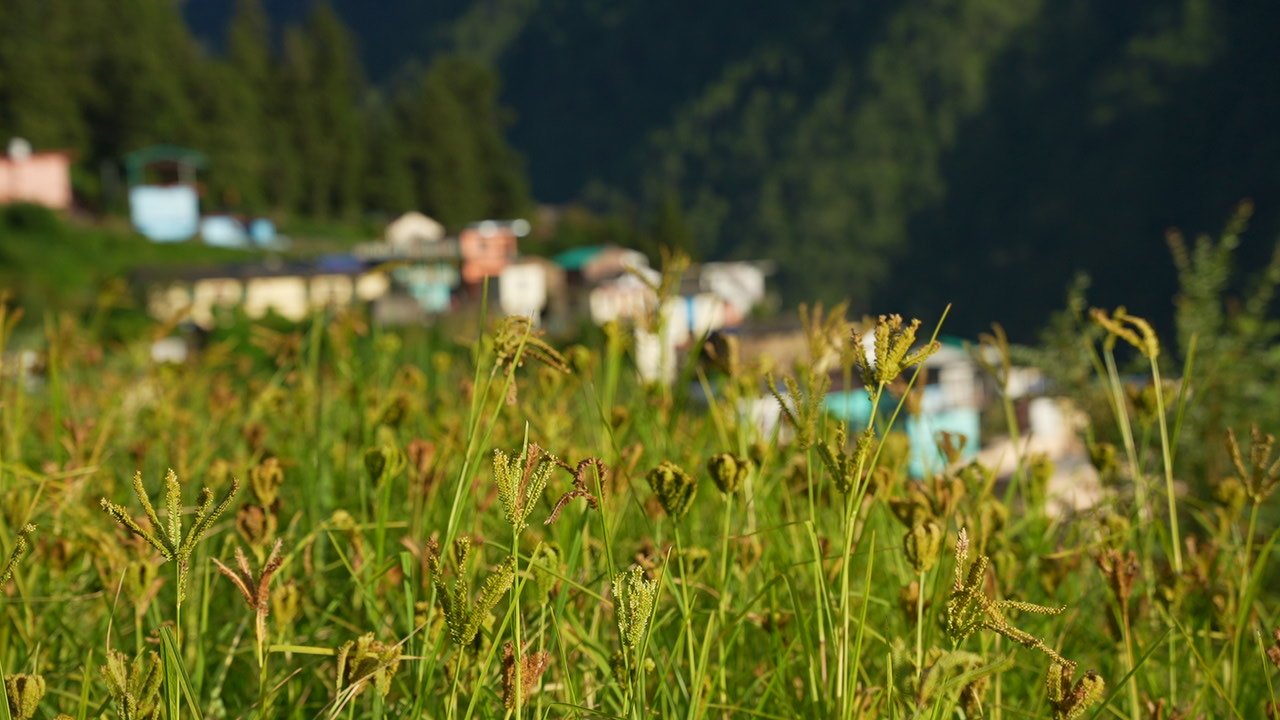
Jhangora (Indian barnyard millet, Echinochloa frumentacea). A grass grown on marginal land across India, Pakistan and Nepal, known as jhangora in the Garhwal hills, and as sama or samak rice and "rice for fasting" in Hindi because it is eaten during religious fasts. The grain is cooked in water like rice or boiled with milk and sugar. See Indian barnyard millet.
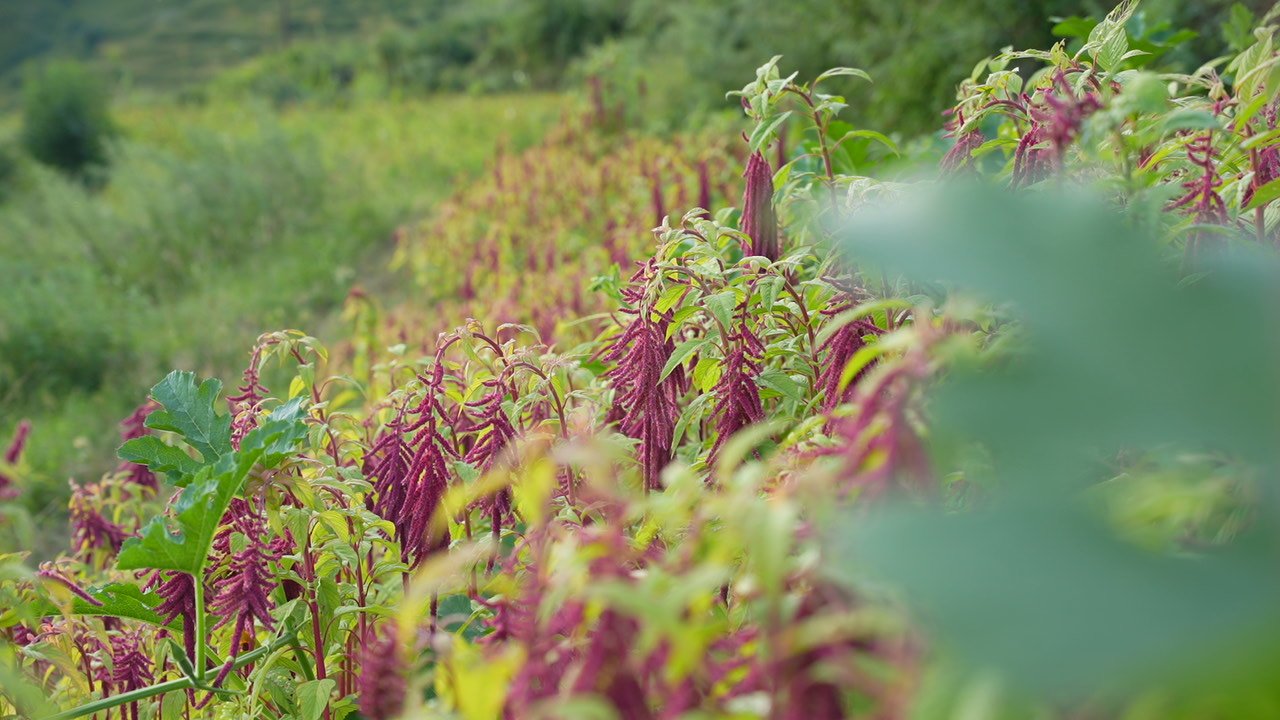
Ramdana (amaranth, Amaranthus species). A pseudocereal, not a true cereal or millet, from a different plant family. Per the general reference summary, 100 g of uncooked grain provides about 371 kcal, 14 g of protein and 7 g of fibre, and it is relatively high in the amino acid lysine. It must be cooked before eating. Popped amaranth is a common ingredient in cereal and bar products. Also sold as rajgira. See amaranth grain.
Which one for which product
| You are making | Usually look at | Notes |
|---|---|---|
| Flours, flatbread mixes, porridge, malted products | Mandwa | Offered as whole grain or flour |
| A rice alternative, fasting-food ranges, whole-grain mixes | Jhangora | Cooked whole, like rice |
| Popped-grain snacks, bars, cereal toppings, gluten-conscious bakery | Ramdana | Offered as whole grain or popped format |
Nutrition figures above are from a general reference and are for orientation only. Your own product's nutrition panel must come from laboratory results on the grain you actually buy.
About "gluten-free"
Finger millet, barnyard millet and amaranth are not wheat. But "gluten-free" on a pack is a labelling claim, and what it requires depends on your market. It usually involves testing and controls to prevent contact with gluten-containing grains during growing, storage and processing. Ask what handling controls and test results are available for the batch, and check the rules in each country where you will sell. Do not repeat a gluten-free claim on a label until you have confirmed it for your market.
Order sizes and specifications we list
| Mandwa | Jhangora | Ramdana | |
|---|---|---|---|
| SKU | HR-ML-M01 | HR-ML-J01 | HR-ML-R01 |
| Form | Whole grain or flour | Whole grain | Whole grain or popped format |
| Minimum order | 200 kg | 200 kg | 50 kg |
| Packs | 5 kg / 25 kg | 5 kg / 25 kg | 5 kg / 25 kg |
| Moisture | Typically 12% max | Typically 12% max | Typically 12% max |
| Typical shelf life | About 12 months, sealed, cool and dry | About 12 months, sealed, cool and dry | About 12 months, sealed, cool and dry |
These come from our product pages for Mandwa, Jhangora and Ramdana. Typical lead times are 1 to 2 weeks for ready stock, 2 to 4 weeks packed to order and 4 to 6 weeks for private label, counted from order confirmation and before sea freight. The quotation is what binds. Batch documentation is available on request.
What to ask any grain supplier
- The harvest year and the village or grower group, where traceability matters to your brand.
- Moisture, and the foreign-matter and cleaning grade for the batch.
- Test results relevant to your market, such as pesticide residues and microbiological limits.
- How the grain is stored and packed, and for how long.
- Whether you need flour, whole grain or a processed form, and the particle size if it is flour.
- Private-label packaging options and minimums.
Frequently Asked Questions
Is amaranth a millet?
No. Amaranth is a pseudocereal from a different plant family. It is often sold alongside millets because it is used in similar ways.
Which grain is best for a rice substitute?
Jhangora (barnyard millet) is traditionally cooked whole like rice. Test cooking time and texture on a sample for your recipe.
Do you supply flour?
Mandwa is listed as whole grain or flour. Flour specifications, including particle size, are confirmed per enquiry.
What is the smallest order?
Ramdana has the lowest listed minimum at 50 kg. Mandwa and Jhangora are listed at 200 kg. Confirm in the quotation.
Can I get a sample first?
Yes. Free samples are offered on serious enquiries, with the buyer paying freight. Use the quotation form.
Last updated: 18 October 2026.
Sources: general reference summaries on finger millet, Indian barnyard millet and amaranth grain; product specifications from the Himalayan Region product pages. Nutrition figures are approximate and for orientation only.