Sikkim, in the eastern Himalaya, is one of the best-documented examples of a mountain region changing how it farms. It matters to anyone interested in Himalayan agro-tourism because the policy shaped what visitors find on farms there. We do not run programmes in Sikkim, so this is a background guide drawn from published sources.
The organic declaration
The World Economic Forum reported that Sikkim was declared fully organic in 2016 after phasing out chemical fertilisers and pesticides and replacing them with sustainable alternatives. It reported that the state's policies helped more than 66,000 farmers and that Sikkim won the top prize at the UN-backed Future Policy Awards for agroecology. The same report cites the World Future Council as saying tourism numbers rose 50 percent between 2014 and 2017.
For a buyer or traveller, note what this does and does not establish. It describes state policy. It is not a certificate for any particular farm or product. Ask for the document that covers what you are buying.
Farming at different heights
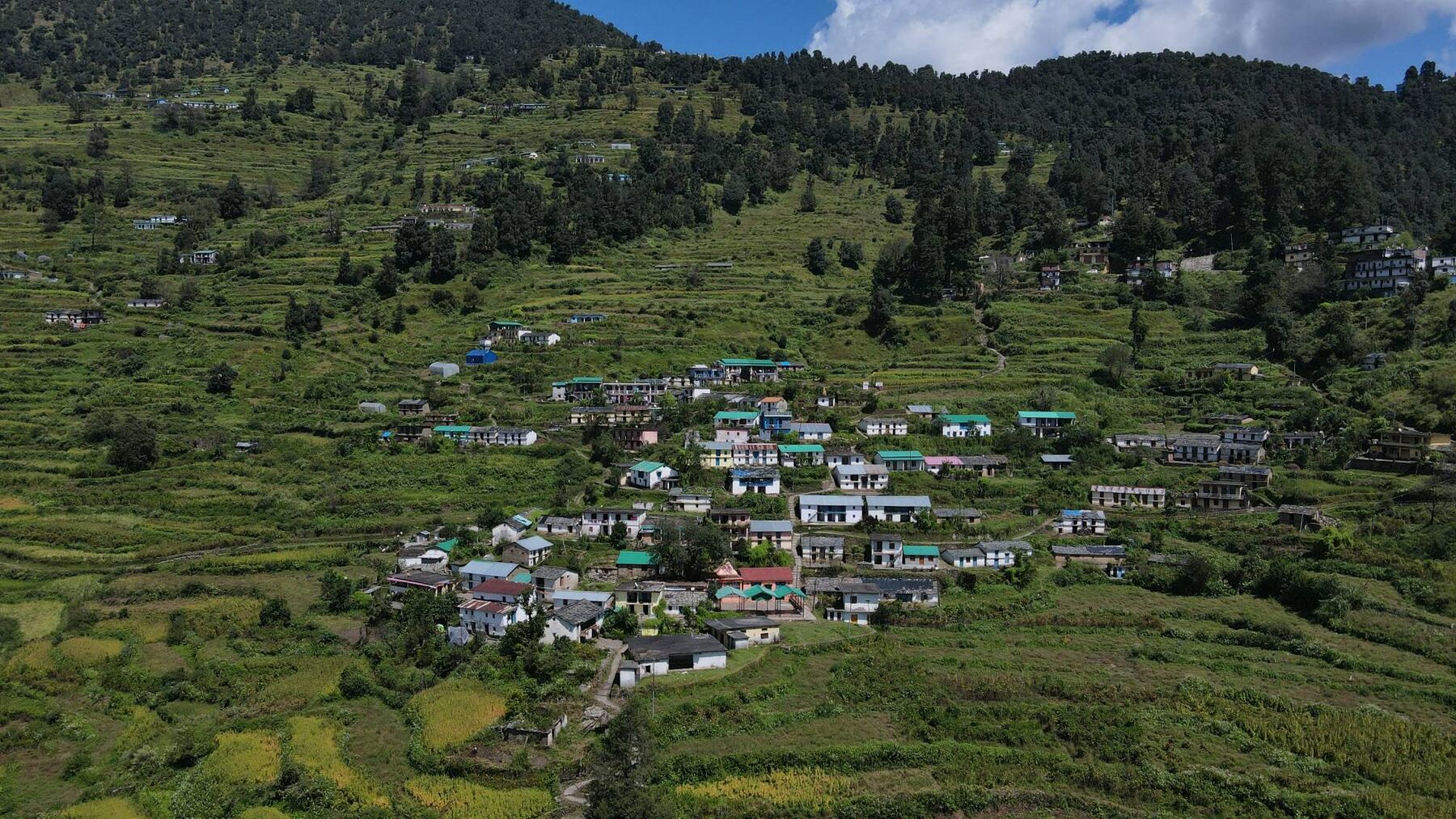
A proposal to the FAO's Globally Important Agricultural Heritage Systems programme describes three farming systems along an altitude gradient in the Khangchendzonga landscape, plus herding at the top:
| Zone | What the proposal describes |
|---|---|
| Below about 1,800 m | Rice on terraced slopes and river flats, with aromatic landraces. |
| About 600 to 2,200 m | Large cardamom grown under alder trees on about 30,000 ha, with mandarin orange, maize, ginger, millets and taro in places. |
| About 2,300 to 4,000 m | Barley, wheat, potato and apple, with livestock grazing. |
| Above 4,000 m | Yak and sheep herding by Dokpa families in North Sikkim. |
The same document describes pressures. Area under traditional crops such as horse gram, buckwheat and millets is said to have fallen by 50 to 60 percent, and per-capita land shrank from 0.31 ha in 1971 to 0.12 ha in 2001. It also describes hydropower construction, climate change and invasive plants as pressures on farms. The proposal is an advocacy document and its figures date from when it was written, so treat them as indicative.
What this means for a visitor
- Expect a different landscape from Uttarakhand. Cardamom under shade trees is a farm look that Uttarakhand does not have.
- Ask about certification. "Organic state" is a policy label. Ask a host what, if anything, is certified.
- Ask about change. Farmers can tell you which traditional crops they kept and which they dropped, and why.
- Choose operators carefully. Seek local operators registered in Sikkim, and read their terms before you pay.
How it compares with Uttarakhand
Both states have terraced hill farms and small holdings. Uttarakhand has the Barahnaja mixed-cropping tradition (see our guide) and a state homestay scheme (see the homestay guide). Our village programmes are in Uttarakhand only.
Frequently Asked Questions
When was Sikkim declared organic?
2016, according to the World Economic Forum report cited below.
Does that mean every Sikkim product is certified organic?
No. The declaration describes state policy. Certification applies to specific products and producers.
What is grown in Sikkim?
The FAO proposal describes rice, large cardamom, mandarin orange, maize, ginger, millets, barley, wheat, potato, apple and yak herding at different altitudes.
Does Himalayan Region run tours in Sikkim?
No. Our programmes are in Uttarakhand. This guide is background reading.
Last updated: 18 October 2026.
Sources: World Economic Forum, "This Indian state has gone 100% organic", 2018; FAO, GIAHS proposal for the Sikkim Himalayan system. Figures are as reported in those documents.