Products
A wholesale platform built on named people, not commodities.
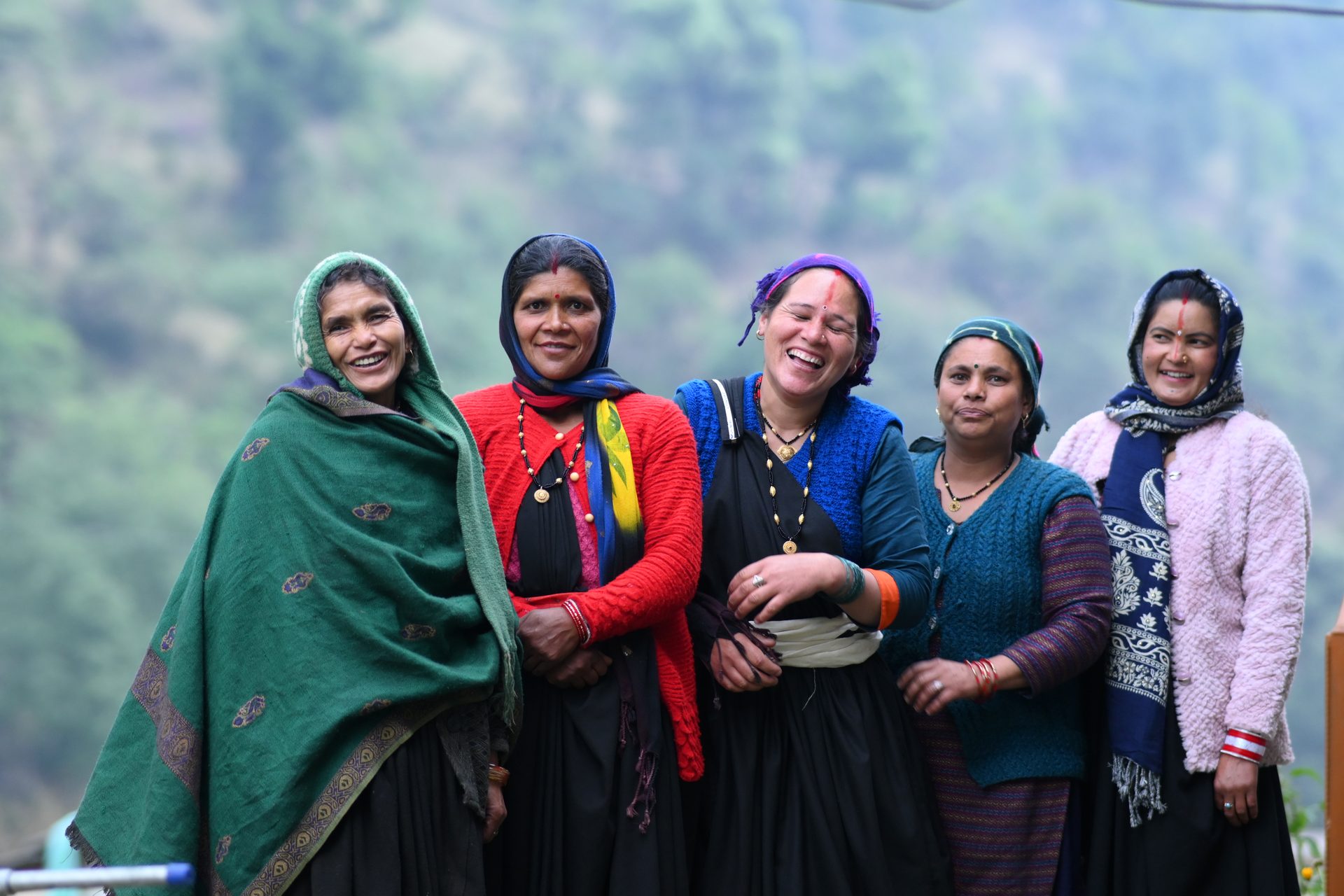
Himalayan Region is the outward face of a network — women-led Self-Help Groups, smallholder farmers, wild-harvest cooperatives, and folk-art guilds spread across 50+ villages of Uttarakhand. Every product we ship is traceable to a producer we know by name.

Jyoti Bisht — entrepreneur and Aipan artist.
Himalayan Region was born from a simple conviction Jyoti has carried since childhood: that the extraordinary produce and heritage crafts of Uttarakhand's mountain villages deserve a place on the world stage, and that the women who create them must lead the way.
An entrepreneur and a practising Aipan artist, Jyoti bridges two worlds with equal devotion — the rigour of building a compliant, export-ready supply chain, and the quiet artistry of a folk tradition passed from mother to daughter across generations. Under her leadership, the company partners directly with women-led Self-Help Groups to guarantee fair compensation, traceable sourcing, and dignity for every producer behind our SKUs.
Her devotion to preserving Aipan — Kumaon's sacred, GI-tagged folk art — sits at the heart of the company's identity: proof that authentic commerce and cultural stewardship can rise together.
"When a woman in the mountains earns with dignity, she doesn't rise alone — she lifts her family, her craft, and her village with her."
Four commitments we don't compromise on.
Named producers
Every SKU traces to a village, a Self-Help Group, or a specific harvester. No anonymous commodity flow.
Women-led sourcing
50+ women-led SHGs form the backbone of our supply. Fair-price payments settle directly to producers.
Compliance by default
FSSAI registration, GI-tag documentation, export paperwork — handled on our side, transparent to yours.
Cultural stewardship
We protect the folk-art traditions we sell. Every Aipan piece supports the artist and the tradition together.
50+ villages. One accountable partner.
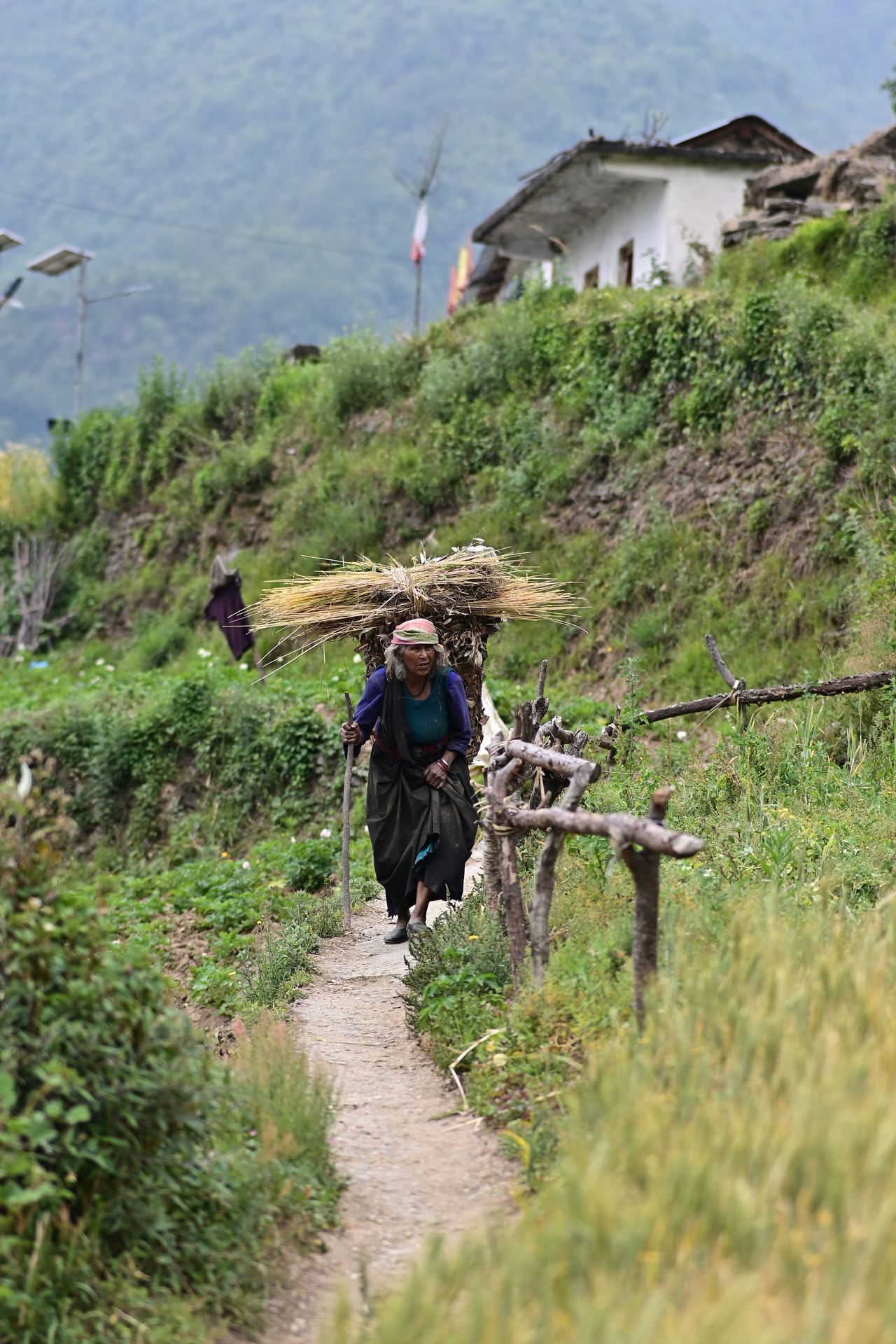
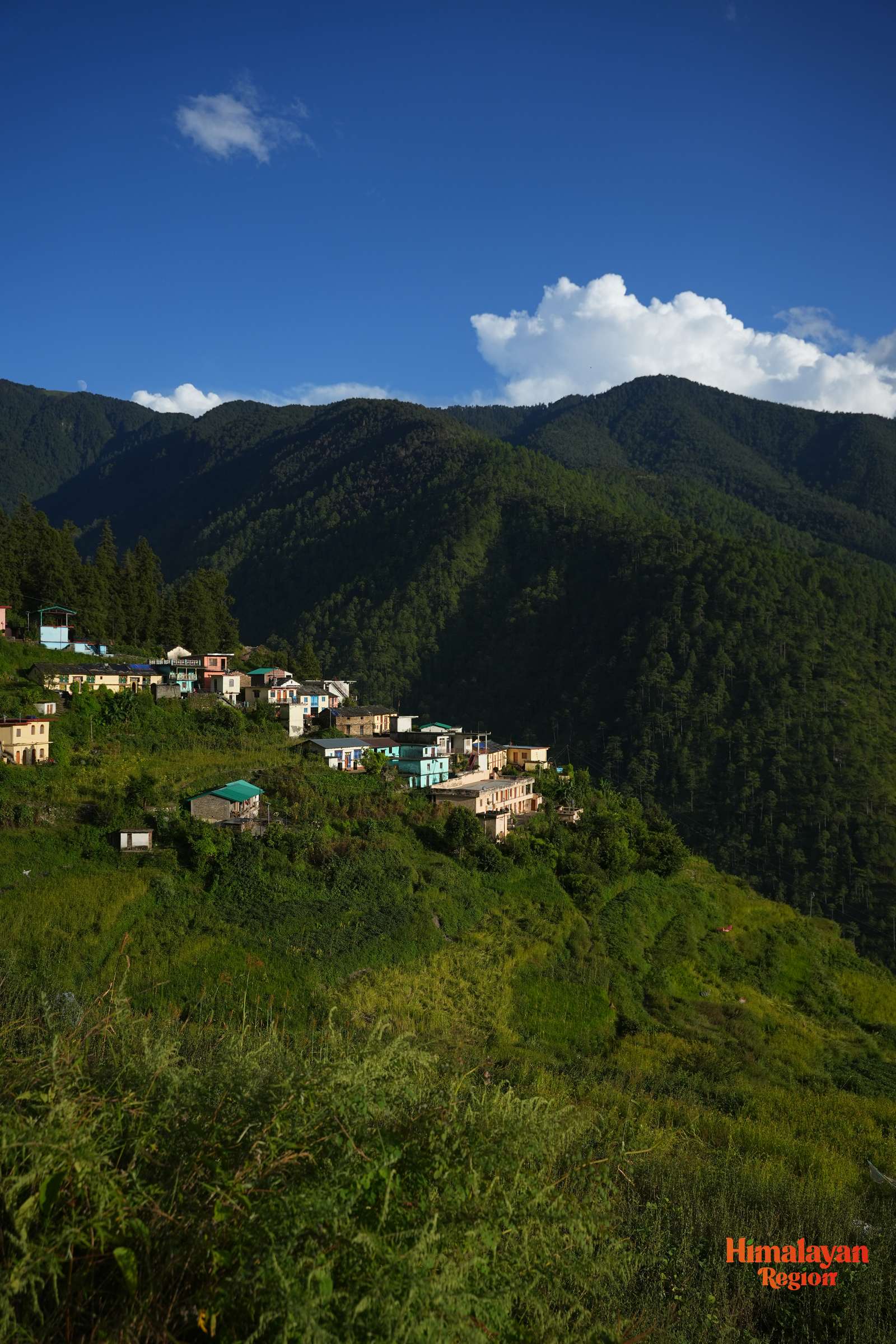
Our sourcing network reaches across the Kumaon and Garhwal divisions of Uttarakhand — from wild-harvest villages of Munsiyari and Pithoragarh to millet-belt terraces around Chakrata and Almora, to the Aipan artisan clusters of Nainital and Ranikhet.
We consolidate the fragmentation, document the compliance, and present a single traceable supply to buyers. Producers see fair prices and consistent orders; buyers see predictable quality and a story worth putting on the label.
How our wholesale model works →Also see Aipan, the GI-tagged folk art of Kumaon and our agro-tourism village stays.
What professional buyers should know before they source.
Practical notes on Himalayan ingredients, documentation and supplier due diligence, written for wholesale, private-label and hospitality teams.
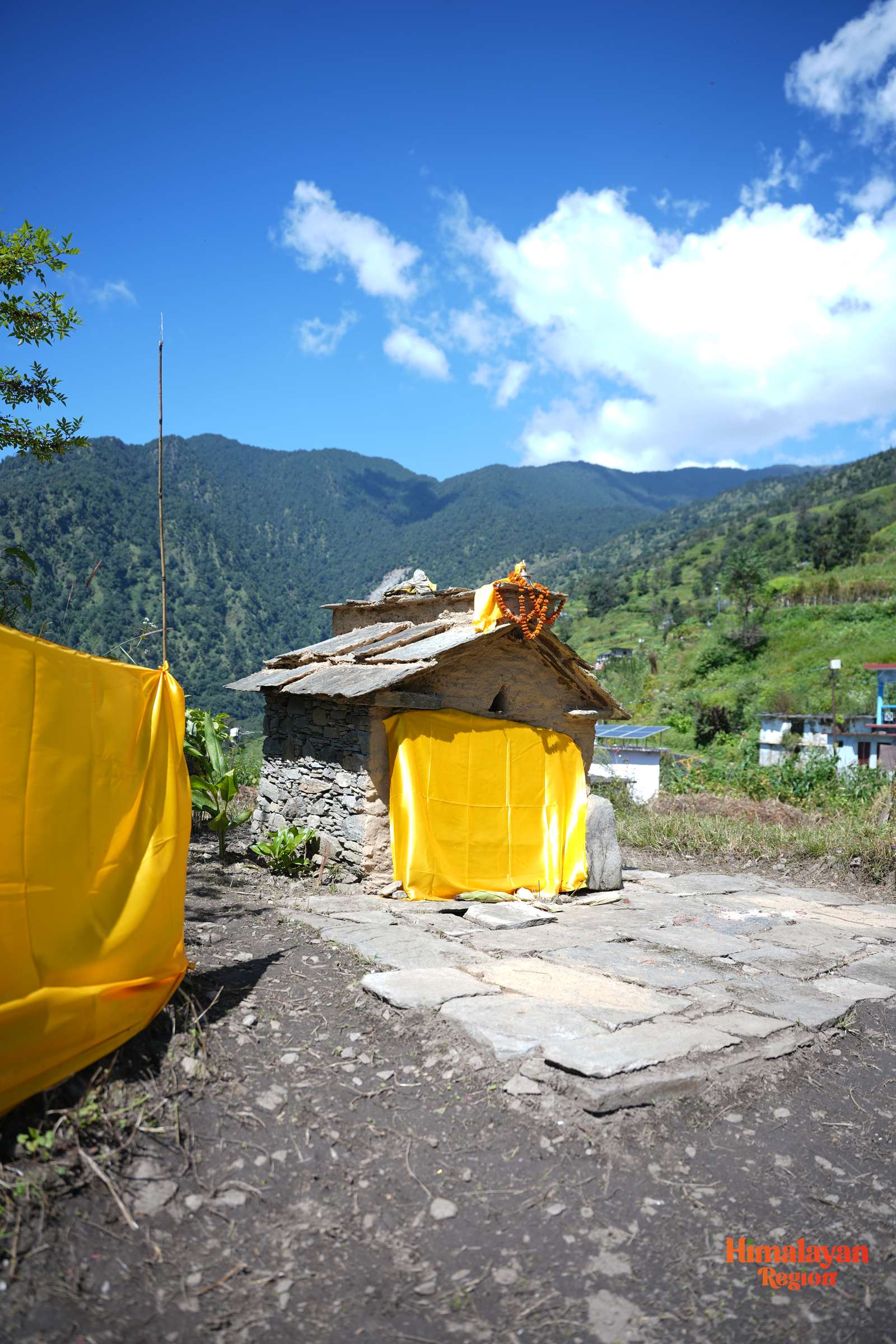
Uttarakhand Agro-Tourism FAQ: Stays, Seasons, Groups and Responsible Travel
The questions guests and group organisers ask most often about village stays in Uttarakhand.
Ten Questions to Ask Before You Buy from a Himalayan Supplier
Ten plain questions that separate a supplier who can show evidence from one who can only tell a story.
Stinging Nettle, Dandelion and Other Himalayan Herbs in Bulk: Formats and Checks
Dried leaf, powder, seed and oil: what each herb format is used for, and the checks a buyer should run on a botanical lot.
Sea Buckthorn Oil for Cosmetic and Nutraceutical Formulators: Buying Notes
A short buyer's note on sea buckthorn berry oil: which questions to ask, what to expect in a sample, and how a small first order is set up.
Sample Kits, MOQs and First Orders: Starting with Himalayan Region™
Listed minimums, free samples and what a sensible first order looks like for a buyer new to Himalayan sourcing.
Ragi (Finger Millet) Wholesale: Grain, Flour and Flakes from Hill Farms
Ragi goes by many names in the trade. This page lines up the names, the formats and the minimum order for hill-grown Mandwa.
Private-Label and OEM Sourcing from Uttarakhand: How a Project Runs
Most private-label projects fail on unclear briefs, not on production. Here is how a project runs with us, step by step.
Pahadi Turmeric: How to Read a Curcumin Report Before You Order
A curcumin percentage means little without the method behind it. How to read a report and what to ask a turmeric supplier.
Pahadi Salts and Seasoning Blends for Private-Label Retail
Flavoured hill salts and spice blends are an easy entry to the Himalayan category. What goes in them, and how a brand can make its own.
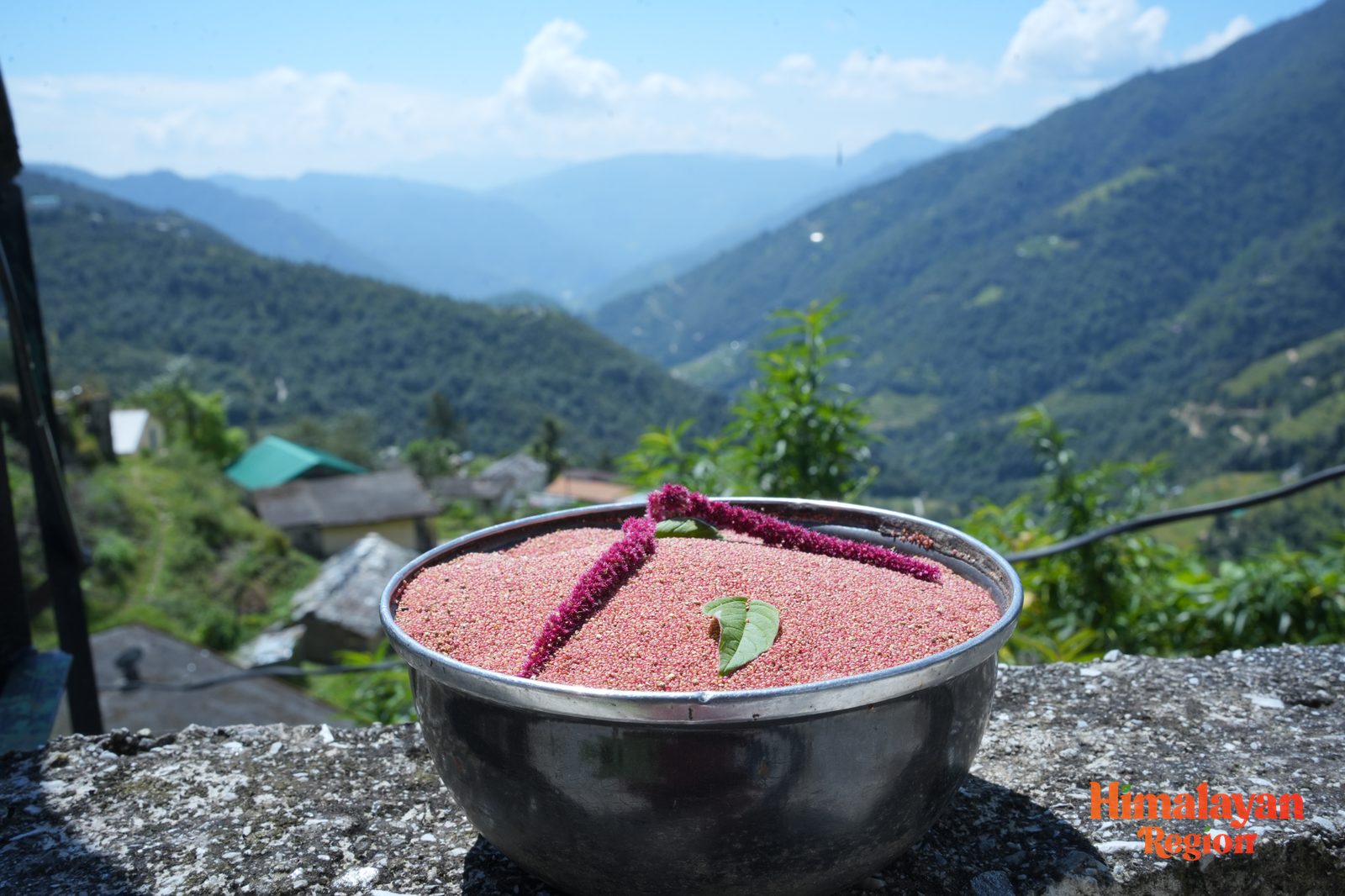
Jhangora and Ramdana: Barnyard Millet and Amaranth Formats for Private Label
Two Himalayan grains that suit retail packs: how they are used, which formats work, and what a brand should ask for.
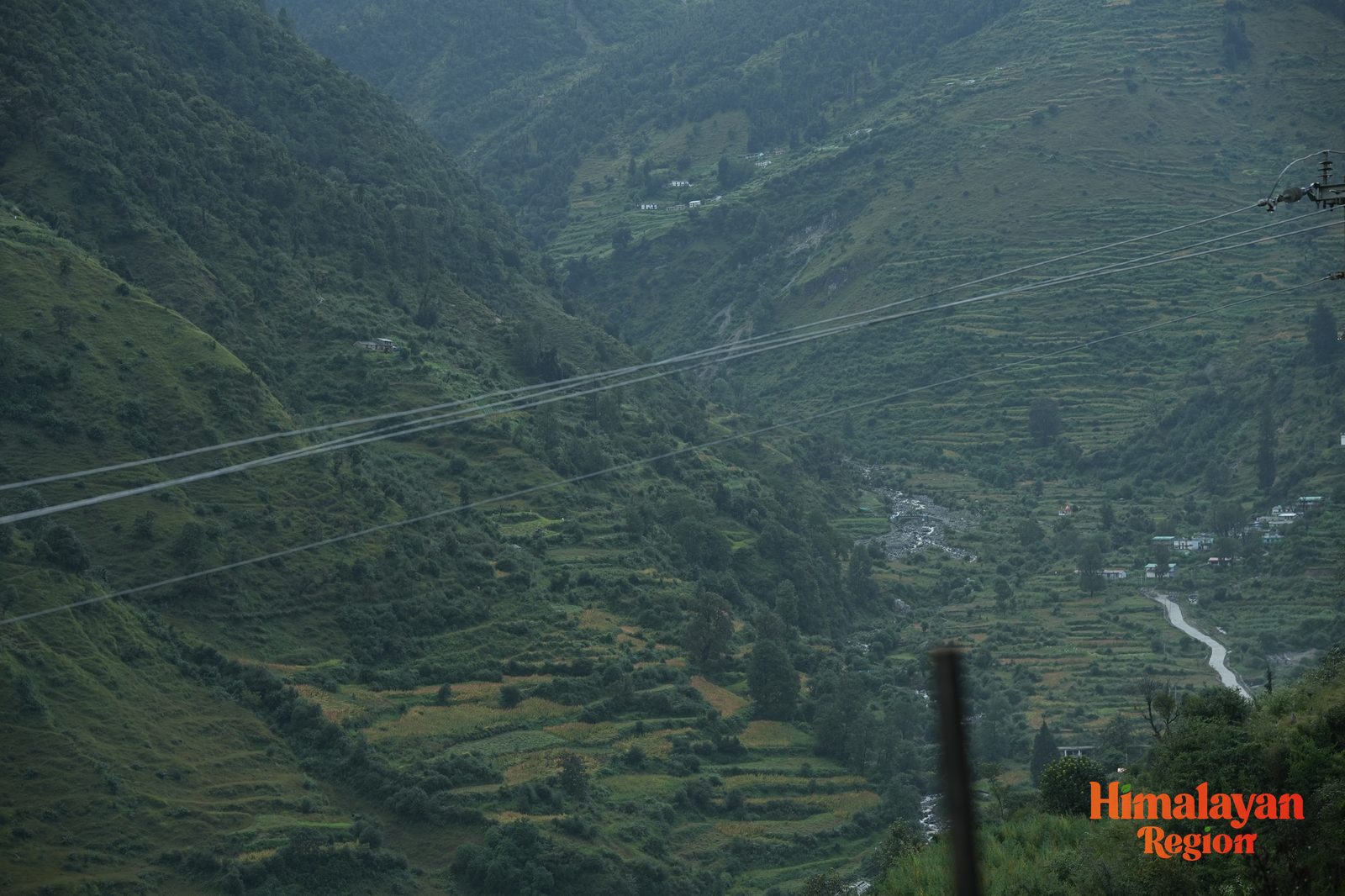
Himalayan Village Stay from Germany and Europe: A Planning Guide
Seasons, routes and practical notes for European guests planning a village homestay in Uttarakhand.
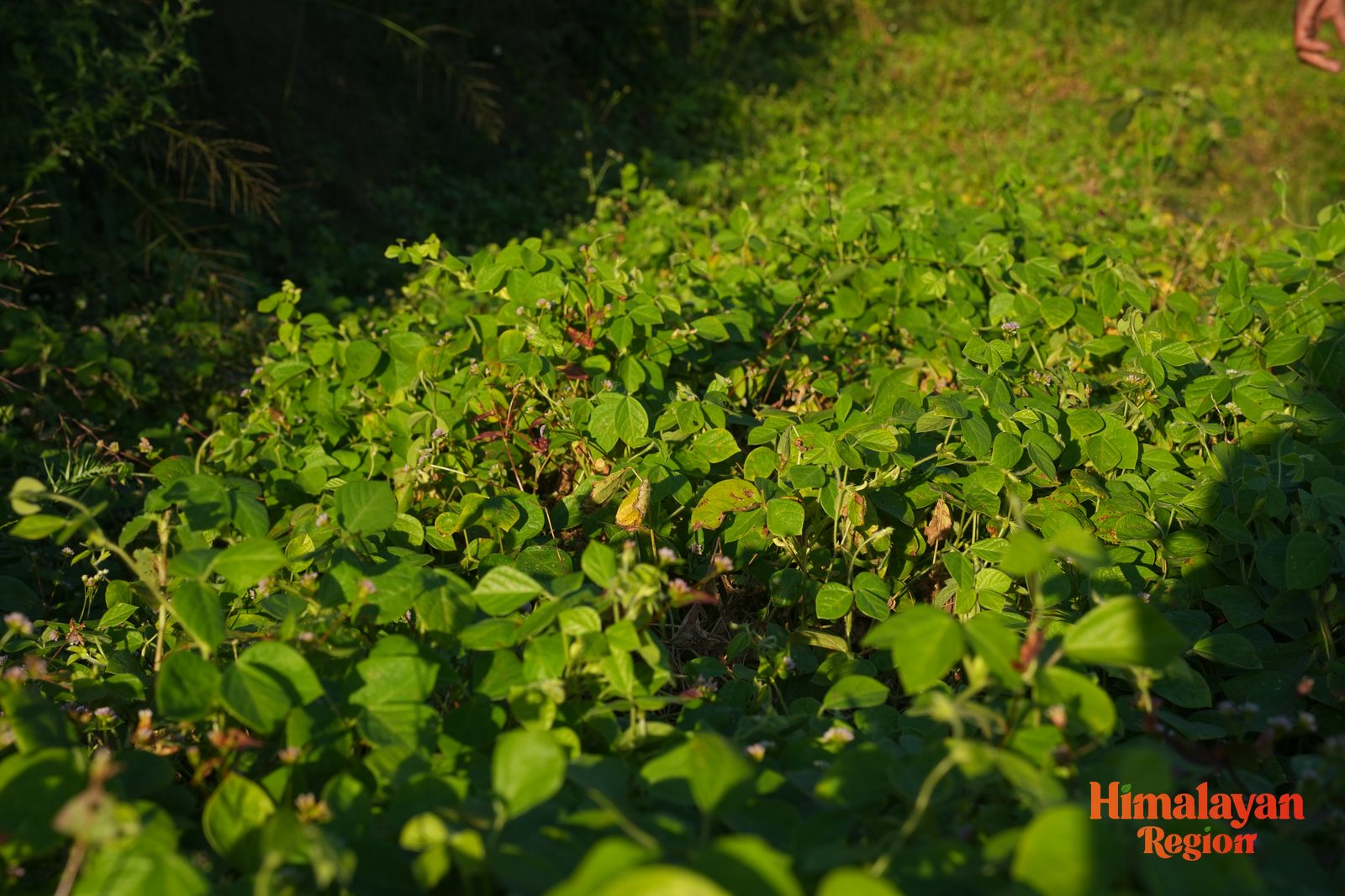
Himalayan Pulses and Value-Added Millet Foods: A Private-Label Starter List
From Pahadi rajma to millet snacks: a starter list for brands that want to launch a Himalayan pulses and snack line.
Himalayan Products Wholesale FAQ: MOQ, Samples, Documents and Private Label
Short answers to the questions importers ask most, followed by the full list of the 91 catalog products.
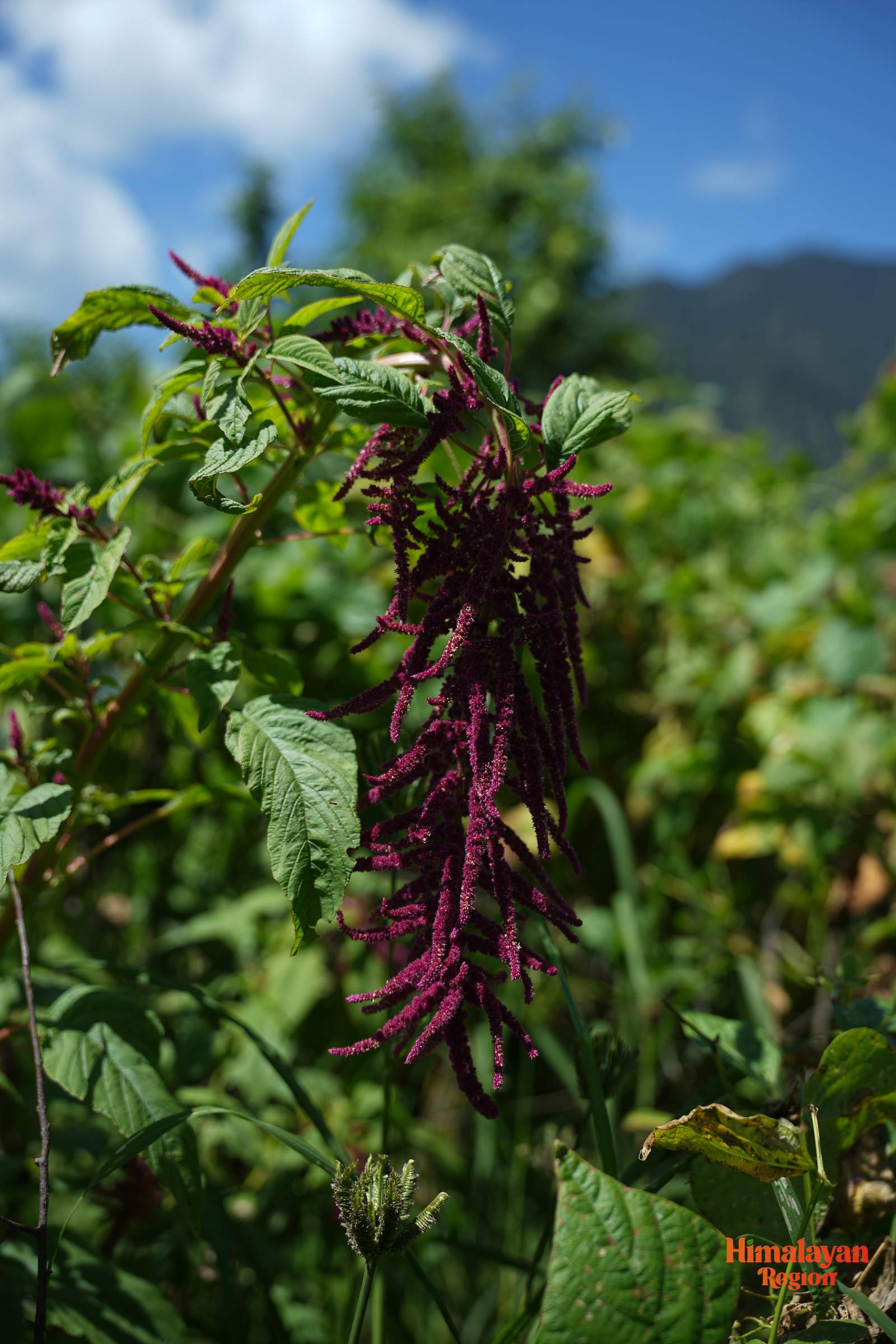
Himalayan Herbal Tea Blends for Private-Label Brands: Buransh, Nettle, Kahwa and More
A buyer's list of Himalayan herbal teas and flowers, with notes on blending, packing and paperwork.
Himalayan Apricots, Walnuts and Hill Fruits: Sourcing Notes for Gifting and Retail
From dried apricots to walnuts and fruit peels: how a gifting or retail brand can build a Himalayan fruit and nut line.
Harvest-Season Village Stays in Kumaon and Garhwal: What Happens When
What a visitor can see and do in the hill villages at different times of year, and how to choose a travel window.
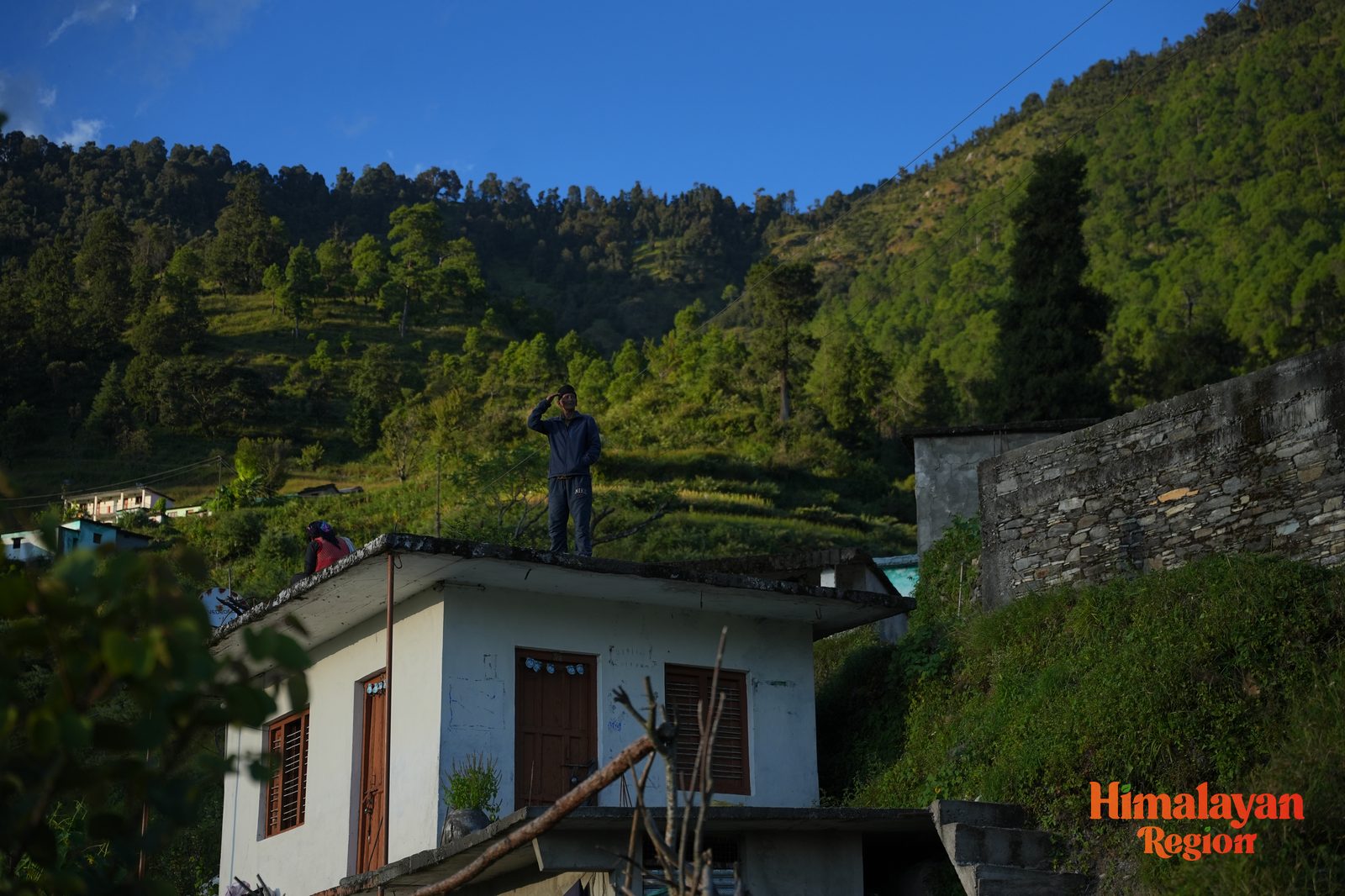
Forest Honey, A2 Ghee and Cold-Pressed Oils from Uttarakhand: A Buyer's Range Guide
Honey, ghee and oils behave differently from grains and herbs. This range guide explains what to ask for and how we source them.
Export Documents Checklist for Himalayan Food and Botanical Shipments
A practical checklist for importers: which documents usually travel with a Himalayan food or botanical shipment, and what to confirm early.
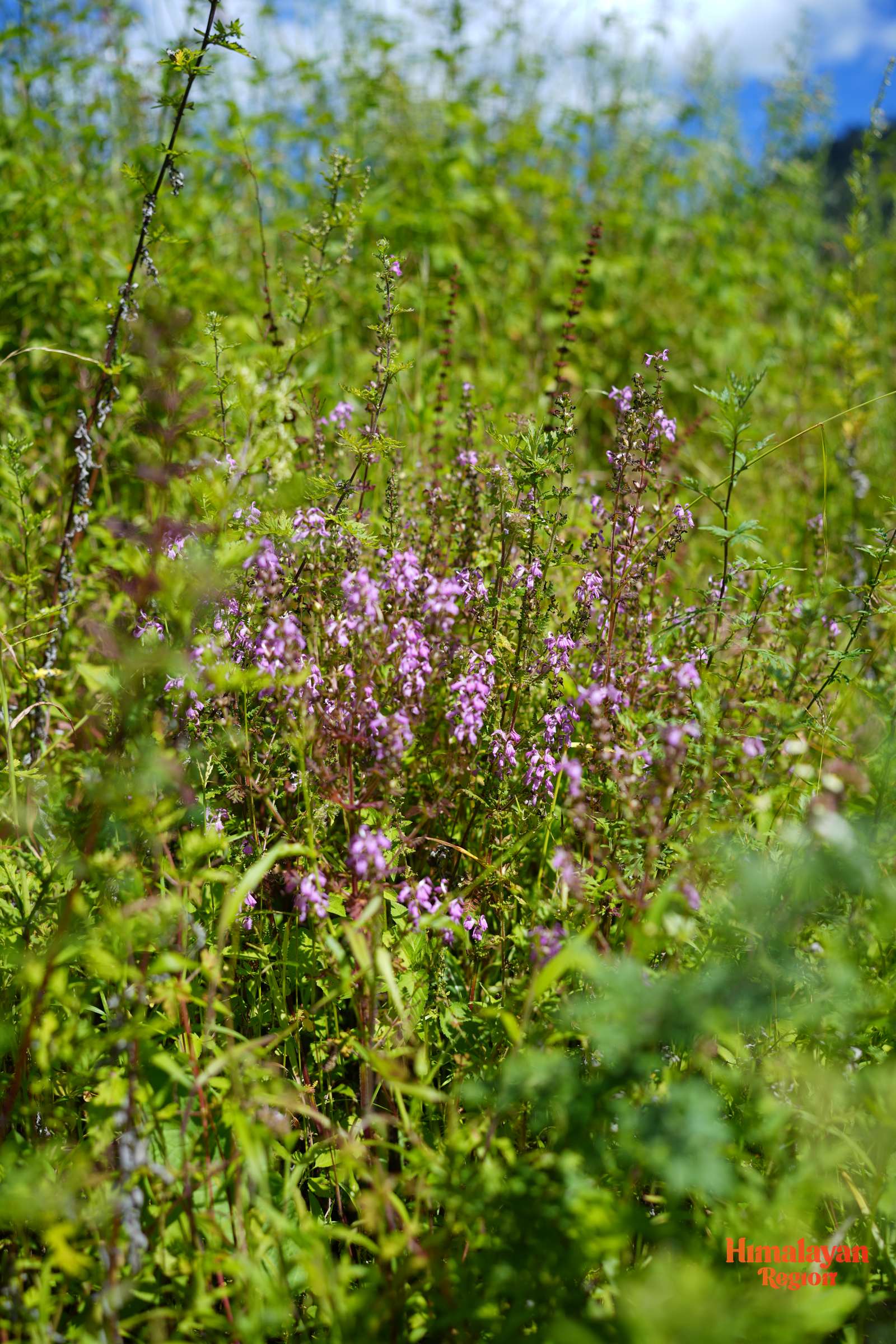
Dried Morel Mushrooms: Grades, Sizes and Documents for Importers
Dried morels are sold by size, shape and cleanliness. A plain-language guide to what those words mean and which documents belong with a lot.
Buyer Familiarisation Tours and Corporate Retreats in Uttarakhand Villages
For buyers and teams who want to see sourcing first-hand: how a familiarisation tour or retreat is shaped.

Pahadi Salt, Timur, Jakhya, Faran and Bhangjeera: The Seasonings of the Uttarakhand Kitchen
A hill kitchen runs on a small shelf of strange, strong flavours. Here is what is on it, what each one tastes like, and which ones chefs and brands keep asking us about.
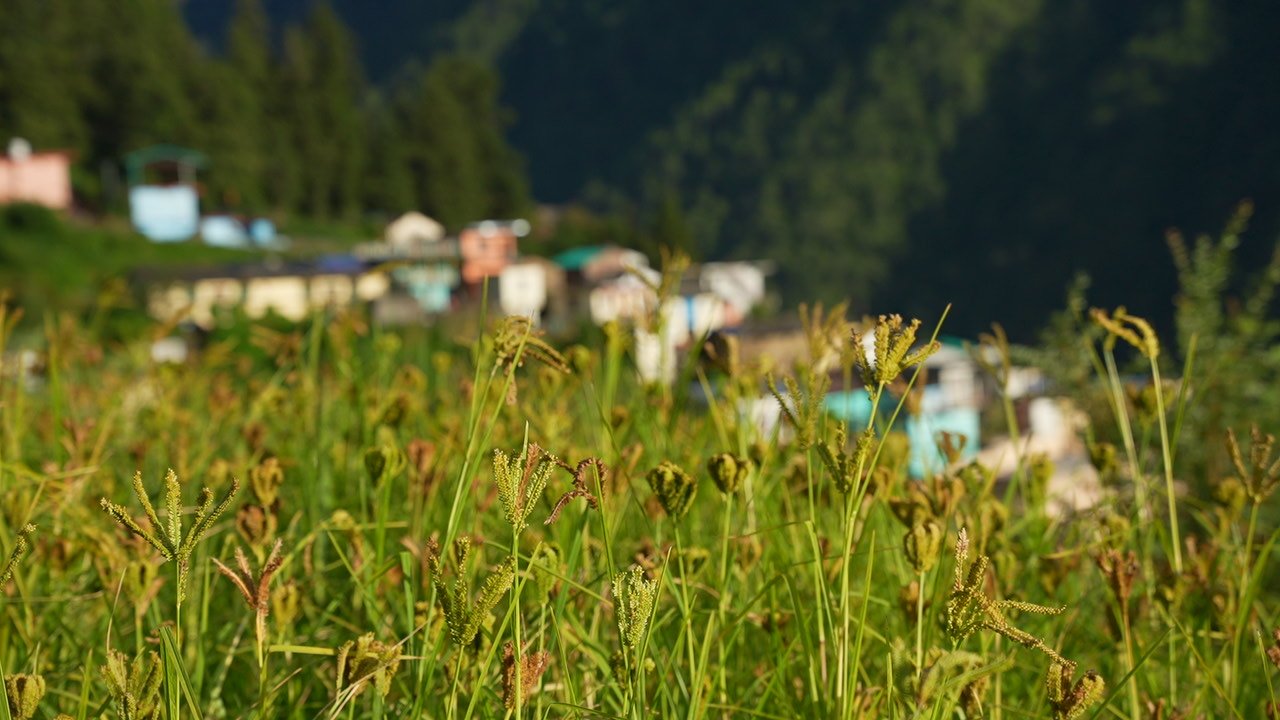
Pahadi Rajma, Gahat, Kala Bhatt and Hill Rice: A Buyer's Guide to Himalayan Pulses and Grains
Three kinds of rajma, a black soybean most people have never cooked, and a rice that is red all the way through. A plain-spoken guide to the pulses and grains of the Uttarakhand hills.
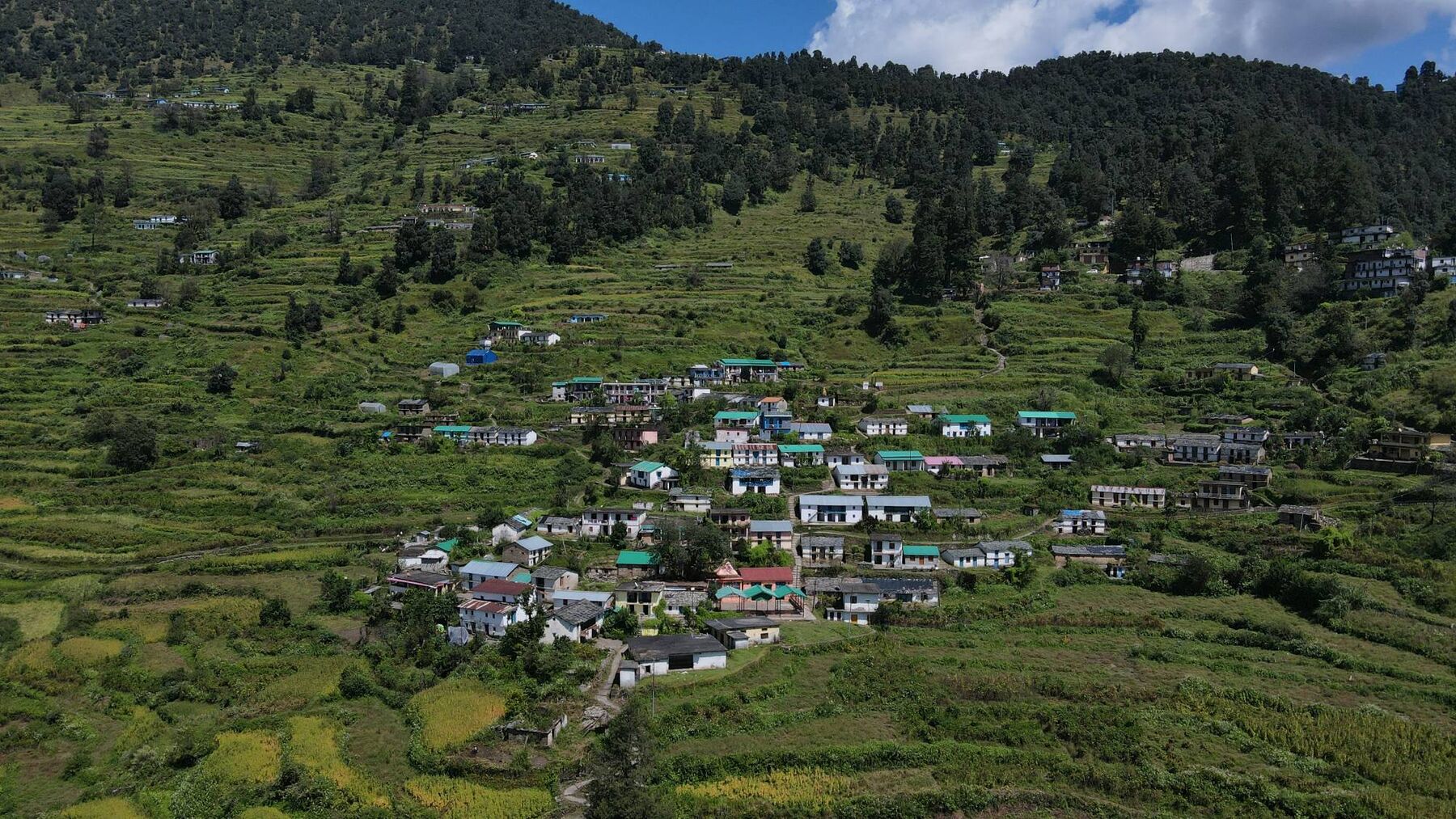
Himalayan Wild Herbs and Roots: Kutki, Dandelion, Horsetail, Mullein and Ashwagandha, and What Buyers Should Check First
Herbs are the hardest part of our list to buy well. Names overlap, some plants are regulated, and a cheap price often means the plant is not what the label says.

Himalayan Herbal Tea Wholesale: Buransh, Kahwa, Nettle, Blue Pea and the Rest of Our 15 Blends
Fifteen herbal teas, one mountain state, and a few honest notes on which ones sell easily, which need explaining, and what to ask a supplier before you order.
Badri Cow Ghee, Forest Honey, Apricot Oil and Chyura Soap: Village-Made Products From the Himalaya
Ghee, honey, oils and handmade soap: the things a village makes for itself, and what a buyer should ask before putting them on a shelf in another country.
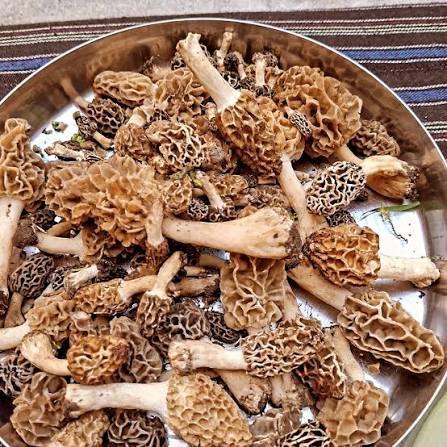
Why Wild Gucchi Morel Supply Moves With the Weather: A Planning Note
Gucchi morels are foraged, not farmed, so the harvest can swing from year to year. What reporting from the Himalayan states says, and what it means for how you plan and buy.
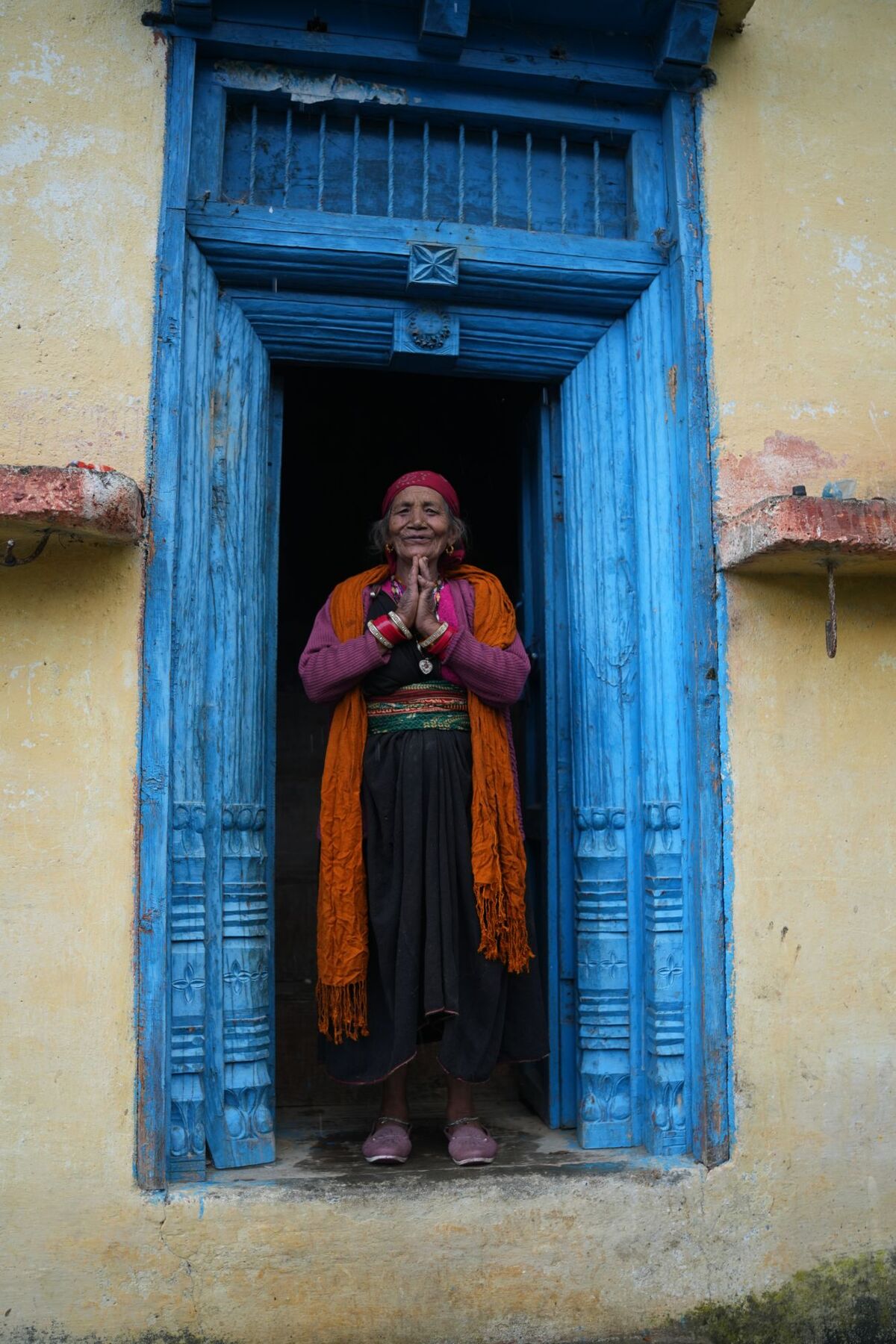
Visiting a Himalayan Village Responsibly: Photography, Waste and Customs
A village is somebody's home and workplace. Plain etiquette for guests: ask before photographing, take your waste, use water carefully and let the host lead.
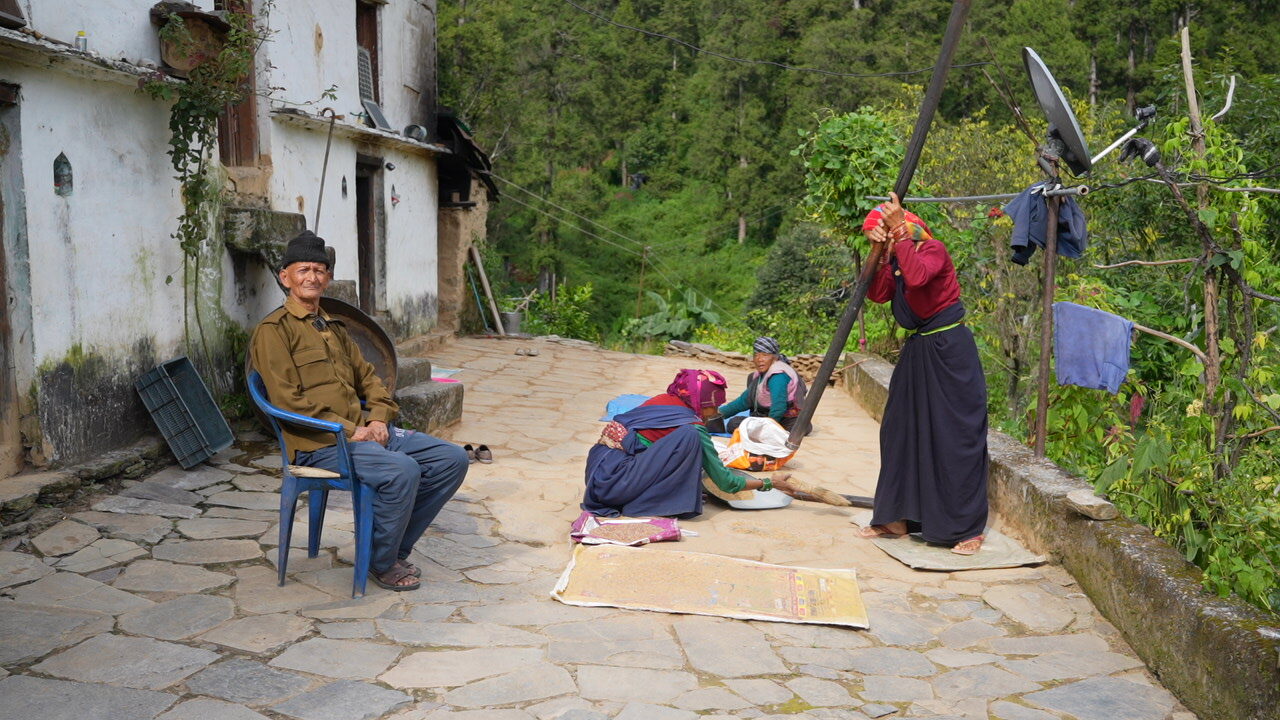
Uttarakhand's Homestay Scheme: What It Means for Guests and Village Hosts
Uttarakhand has a government scheme for village homestays. What the 2026 revision changed, what the rules say about size and eligibility, and what a guest can reasonably ask a host.
Timur, the Himalayan Sichuan Pepper: A Buyer's Guide to Zanthoxylum armatum
Timur is the Himalayan cousin of Sichuan pepper. What it is, where it grows, and the questions a spice or private-label buyer should settle before ordering.
Sikkim's Organic Farming and the Himalayan Farm Visit: What to Know
Sikkim is the Himalaya's best-known organic policy story. What was reported about the 2016 declaration and the farming systems stacked up its mountains.
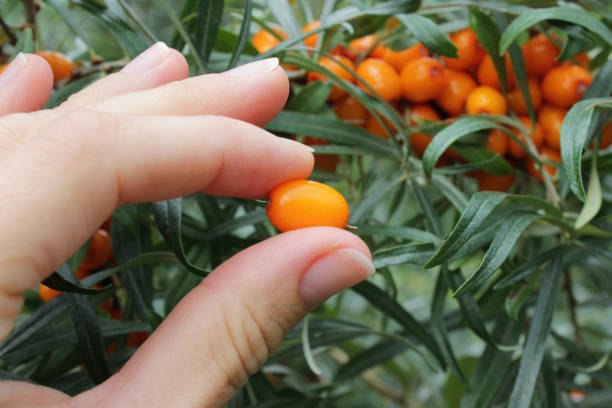
Sea Buckthorn: Dried Berries, Pulp Juice or Oil? Choosing a Format
The right sea buckthorn format depends on what you are making. A short decision guide for tea, snack, beverage and cosmetic buyers, with order sizes and documents to request.
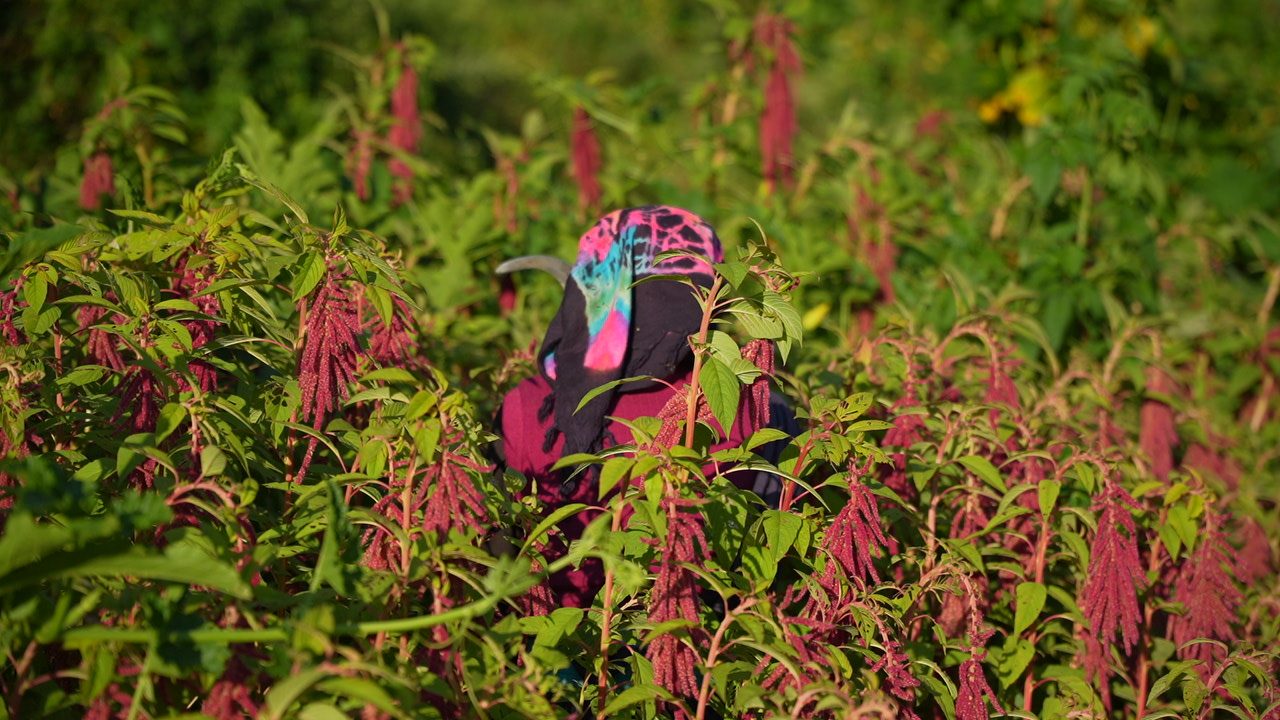
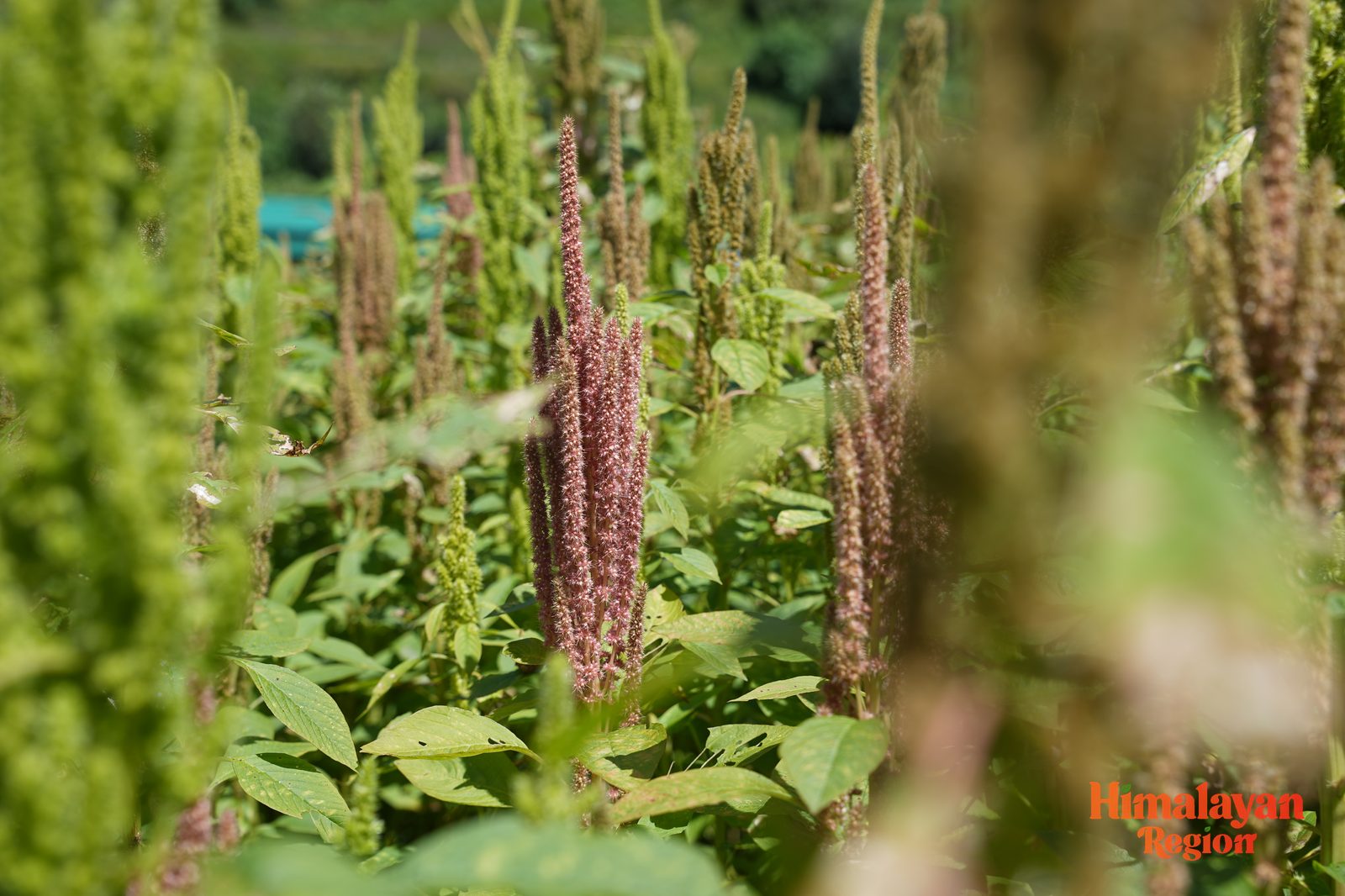
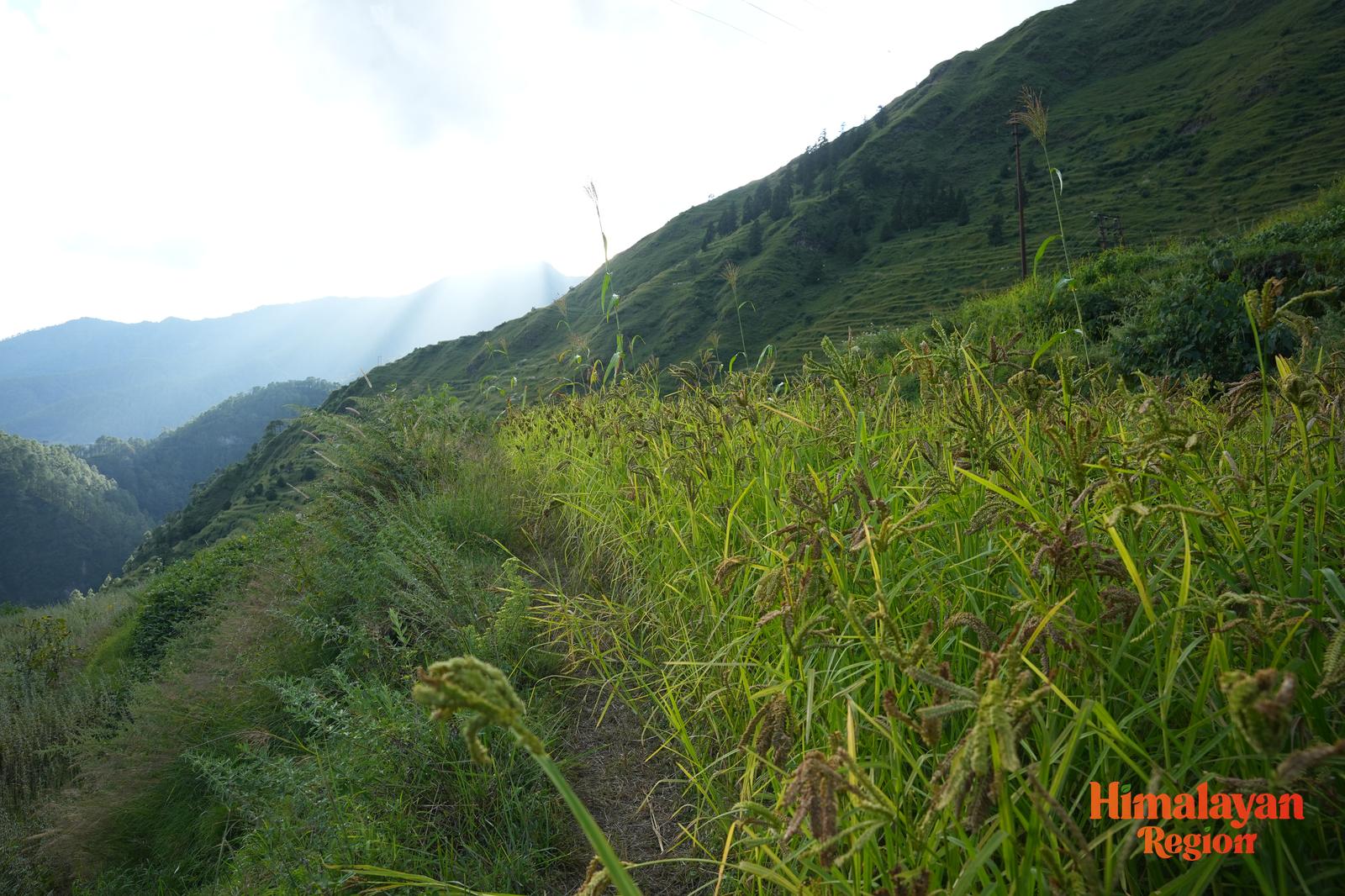
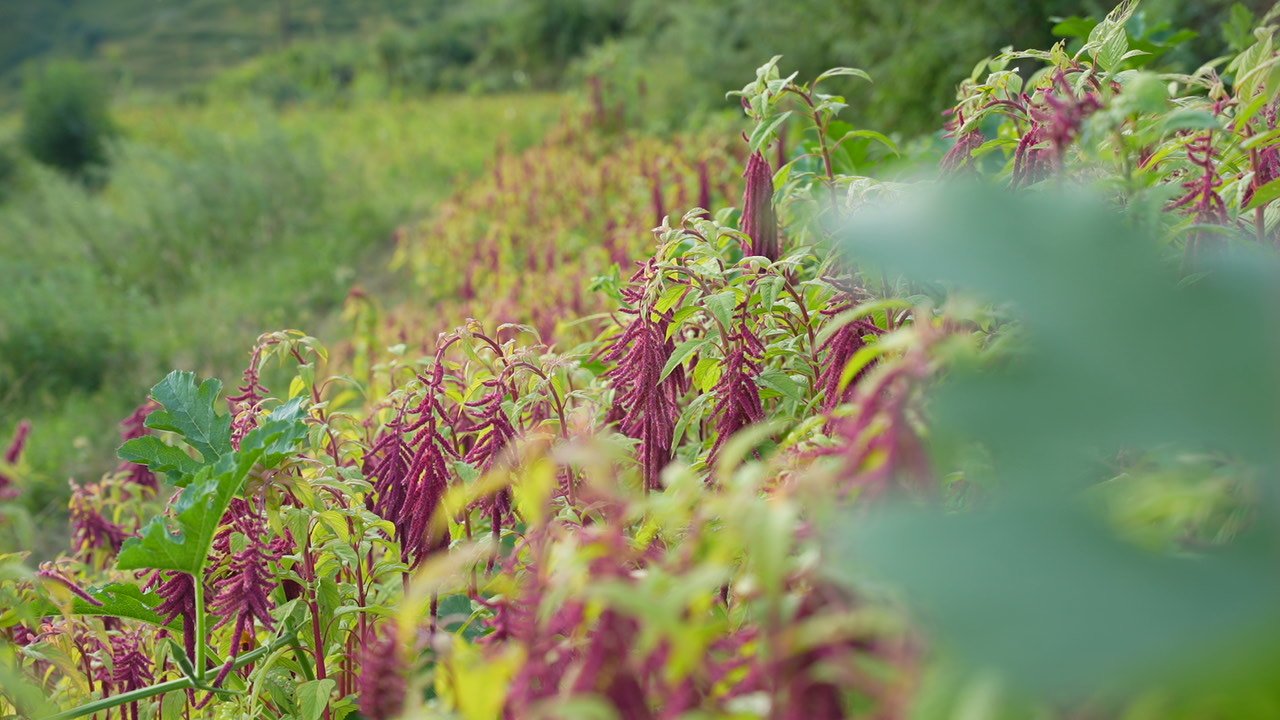
Reading a Himalayan Hill Field: Amaranth, Millet and What Grows Between
What does a hill field in Uttarakhand look like in the growing season? Crimson amaranth, rust-brown millet heads and mixed crops, with notes from published sources.
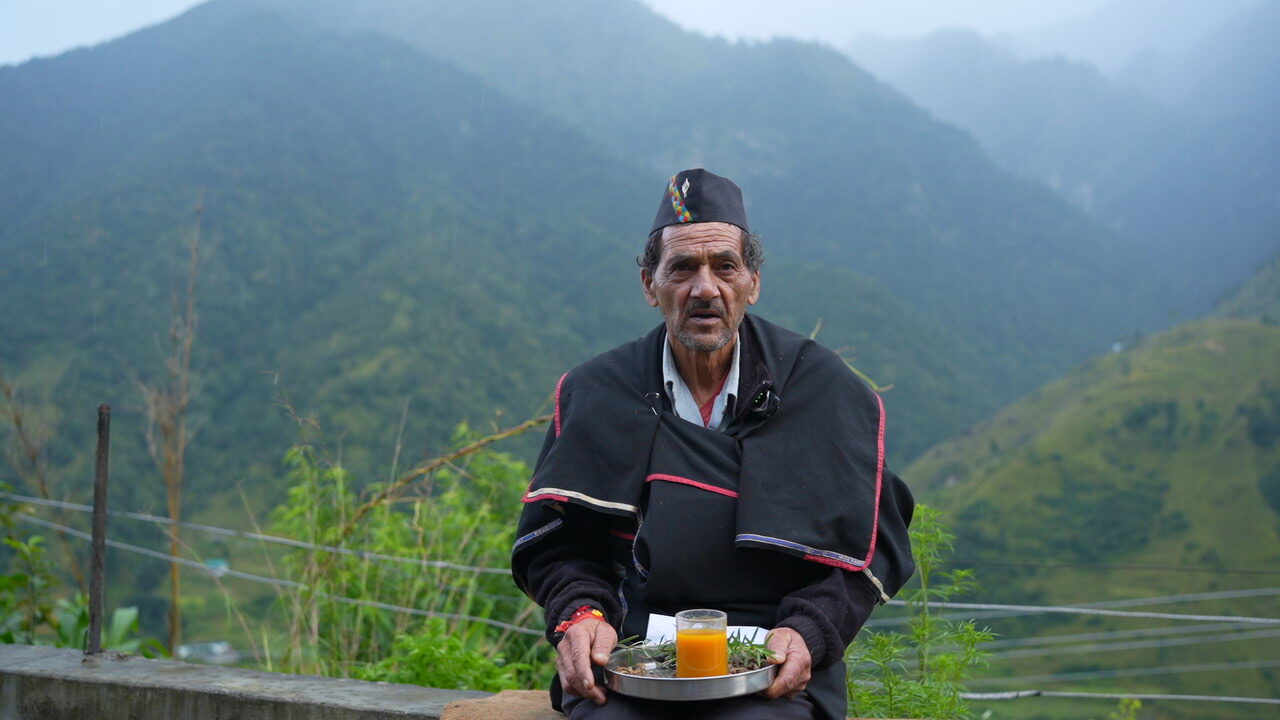
Planning a Himalayan Village Stay From Abroad: Visas and Practical Steps
Planning a village stay in Uttarakhand from overseas? The official e-Visa rules, how early to apply, and the questions to settle before you fly.
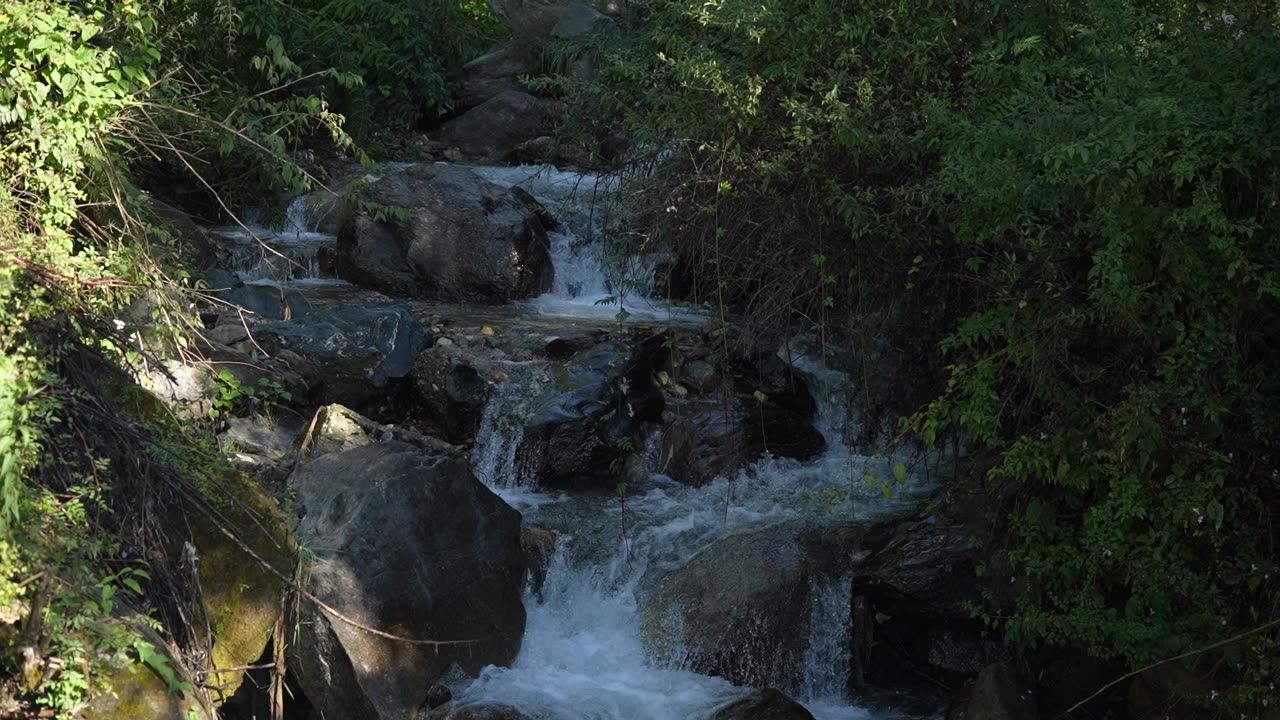
Mountain Water and Village Life: Why Himalayan Springs Matter
Water in the hills often comes from a spring or a stream like the one in our video. What a national report says about Himalayan springs, and how a guest can help.
Mandwa, Jhangora, Ramdana: Which Himalayan Grain for Which Product?
Three hill grains, three different uses. A plain comparison of finger millet, barnyard millet and amaranth for product developers and importers, with the order sizes we list.
Kashmir Saffron, Ladakh Apricots, Himachal Natural Farming: The Wider Himalayan Farm Trail
The Himalaya farms differently from one valley to the next. Saffron in Kashmir, apricots in Ladakh and natural farming in Himachal, with the figures reported for each.
Himalayan Village Stay From the USA: Visa and Planning Guide
A guide for American travellers and importers planning a village stay in the Indian Himalaya: the e-Visa page, the season, what a stay involves and what to ask first.
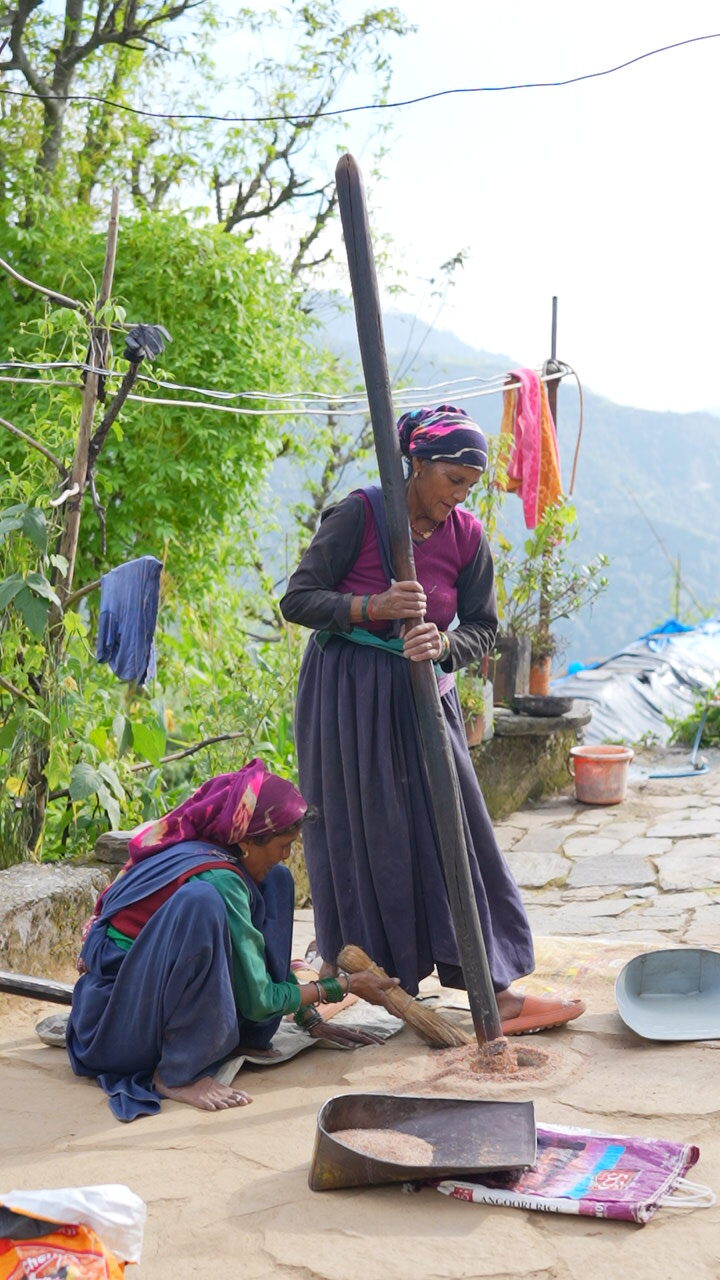
Himalayan Village Stay From the UAE and the Gulf: Visa and Planning Guide
Travelling to Uttarakhand from the Gulf? What the Indian e-Visa page says, when to go, how a village stay works, and a note for food buyers.
Himalayan Village Stay From Canada: Visa and Planning Guide
For Canadian travellers and importers: what the Indian e-Visa page says, where to read official Canadian travel advice, and how a village stay in Uttarakhand is planned.
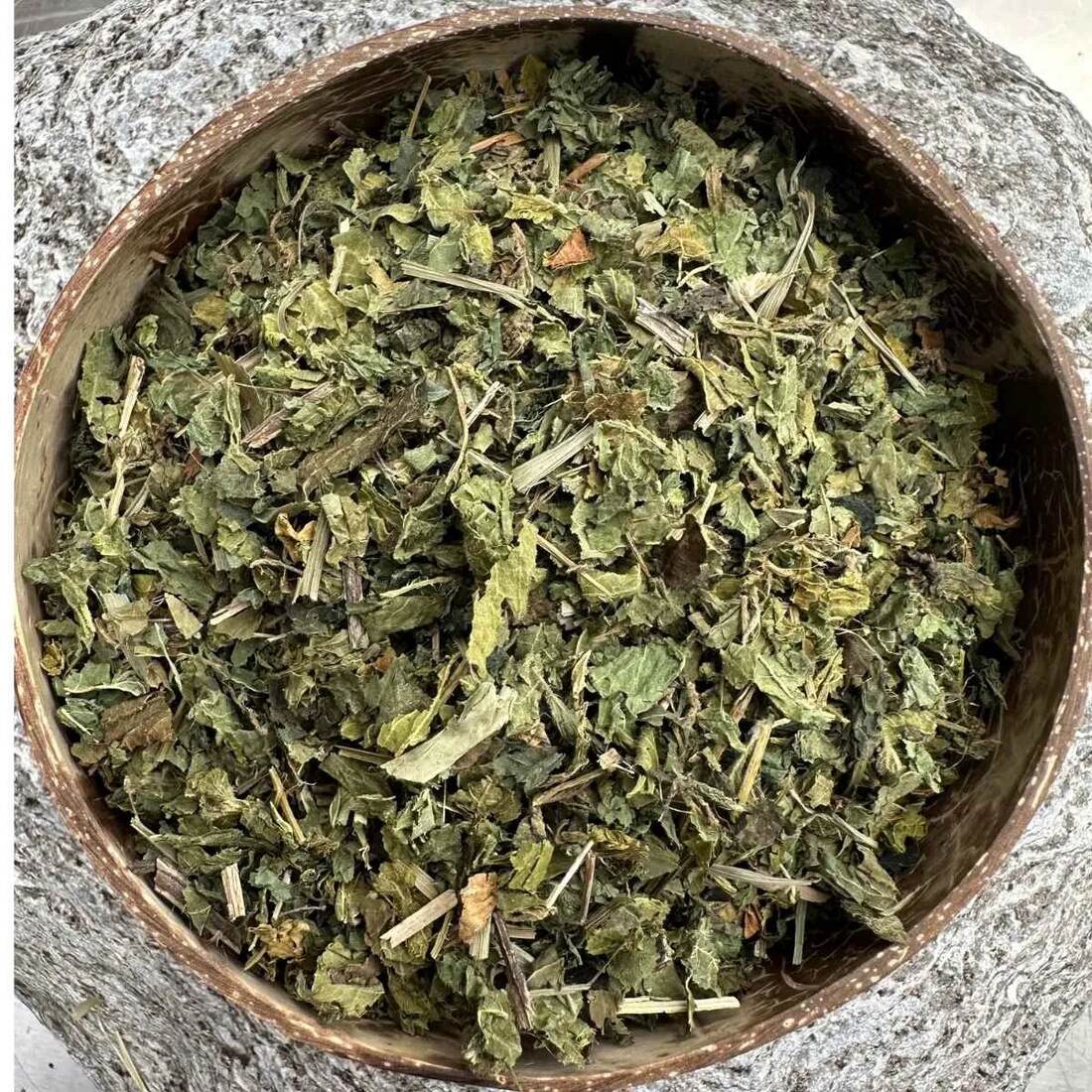
Himalayan Nettle: Leaf, Seed and Oil Are Three Different Ingredients
Buyers often ask for nettle without saying which part. A plain comparison of the three forms we list, their order sizes and the questions to settle before you order.
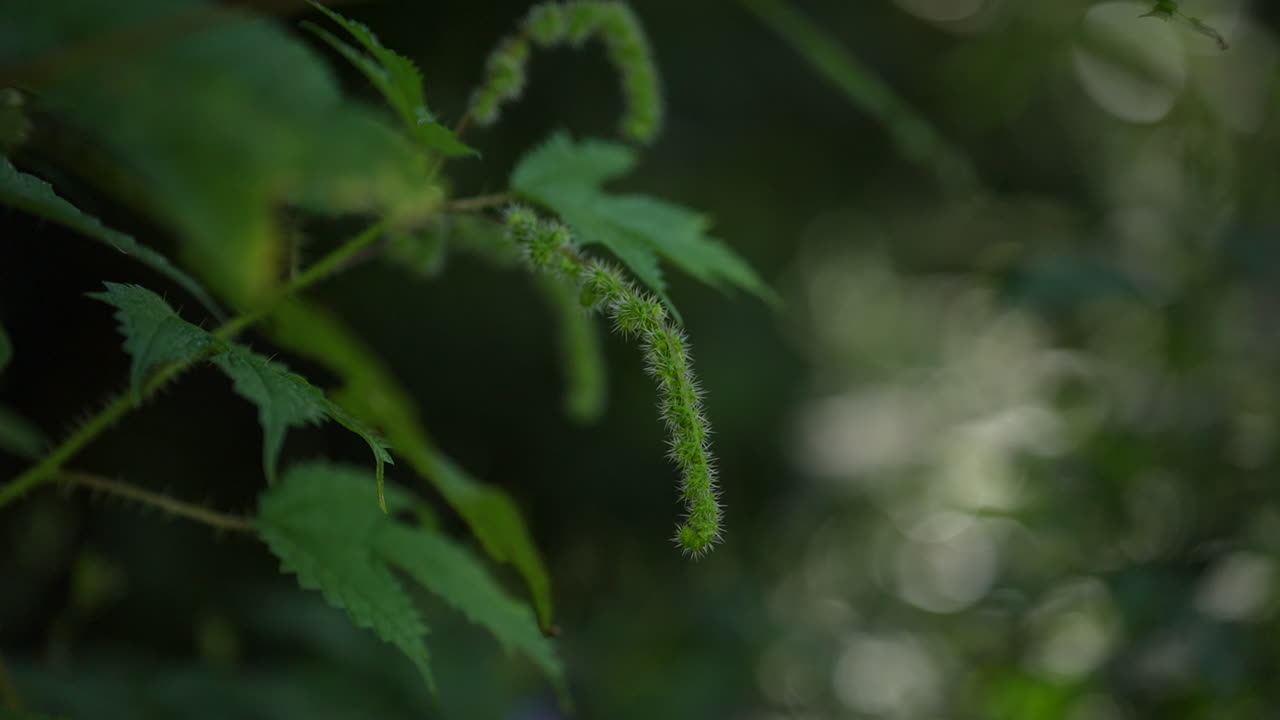
Himalayan Nettle in the Wild: A Short Film and What to Look For
A short film of a nettle plant growing in shade, and plain field notes on what a buyer or visitor can see: the leaf edge, the bristles and the hanging flower spikes.
A Himalayan Harvest Calendar: What Is in Season and When to Travel
Himalayan harvests do not happen at once. A calendar built only from published reports: morels in spring, apricots in summer, saffron in autumn, and when Uttarakhand is easiest to walk.
Himalayan Agro-Tourism: What It Is and How to Plan a Village Farm Visit
Agro-tourism puts the visitor inside a working mountain farm instead of in front of it. What it involves, when to go, and what to settle with your host before you travel.

Faces of a Himalayan Village: A Photo Essay
Behind every terrace and harvest are families. A short photo essay from a hill village in Uttarakhand, with the guardians' permission, and what it means for guests.
Dried Morels: Safe Rehydrating and Cooking Notes for Chefs and Buyers
Dried morels need soaking and thorough cooking before they are served. Notes for chefs, menu developers and importers, with the safety guidance from a national poison information centre.
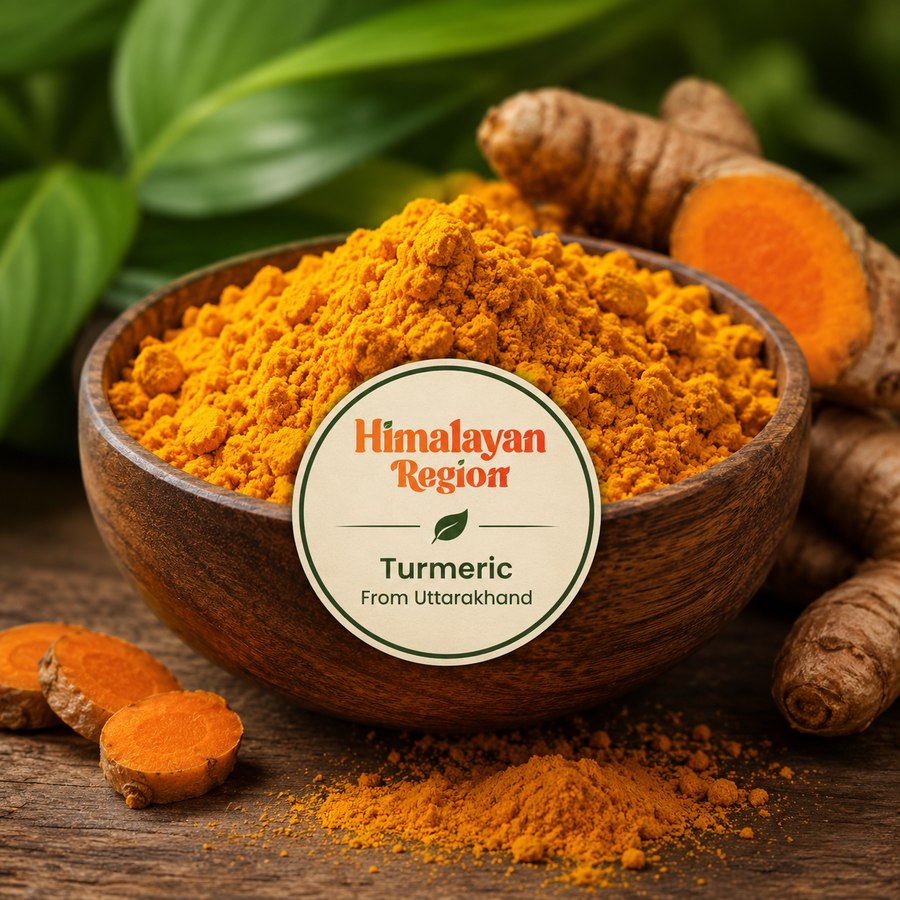
Buying Turmeric Powder Wholesale: Curcumin Content, Adulteration and Documents
Turmeric powder is easy to adulterate and easy to over-claim. A buyer's checklist for curcumin assay, contaminants and documents, with the order sizes we list.
Behind the Supply: Hill Villages and Women-Led Groups
Himalayan produce starts in hill villages. A look at how our sourcing is organised through women-led Self-Help Groups, and the questions a buyer can ask about it.
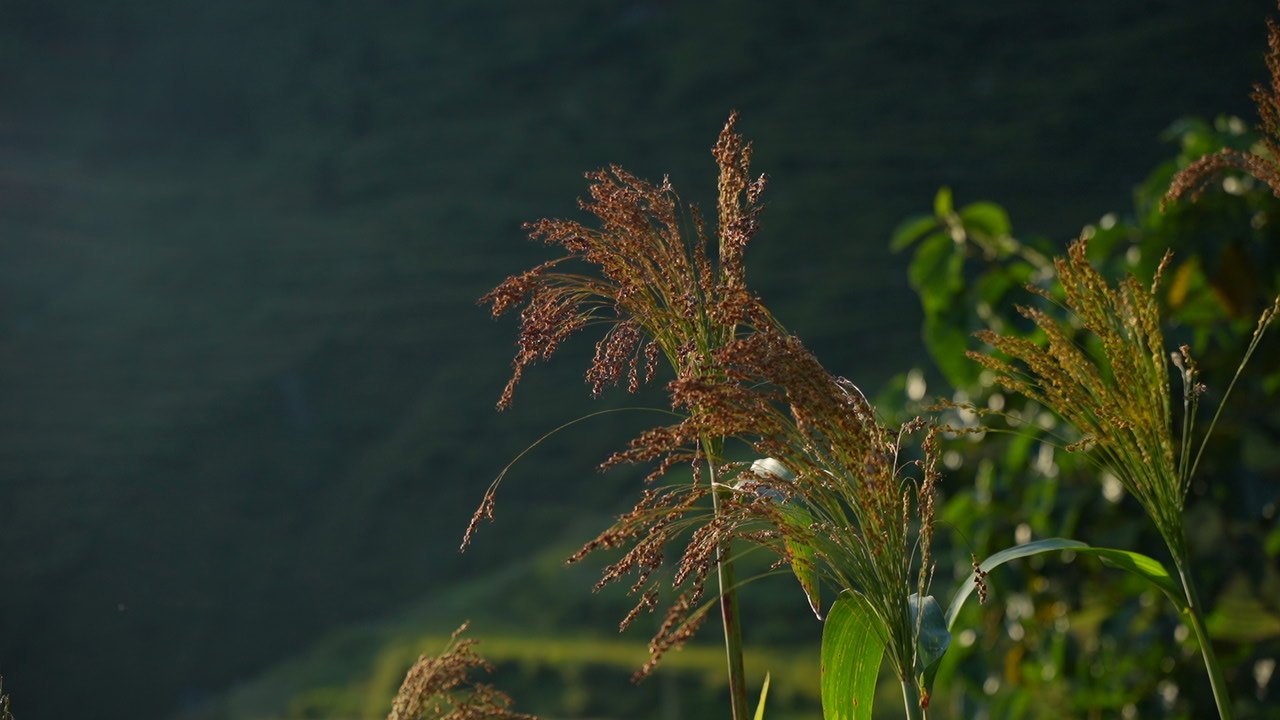
Barahnaja: The Twelve-Crop Farm of Uttarakhand and What Visitors See in It
Barahnaja means twelve seeds: a mountain farming method that grows a dozen crops together in one field. A look at the crops, the logic and what to watch for on a farm walk.
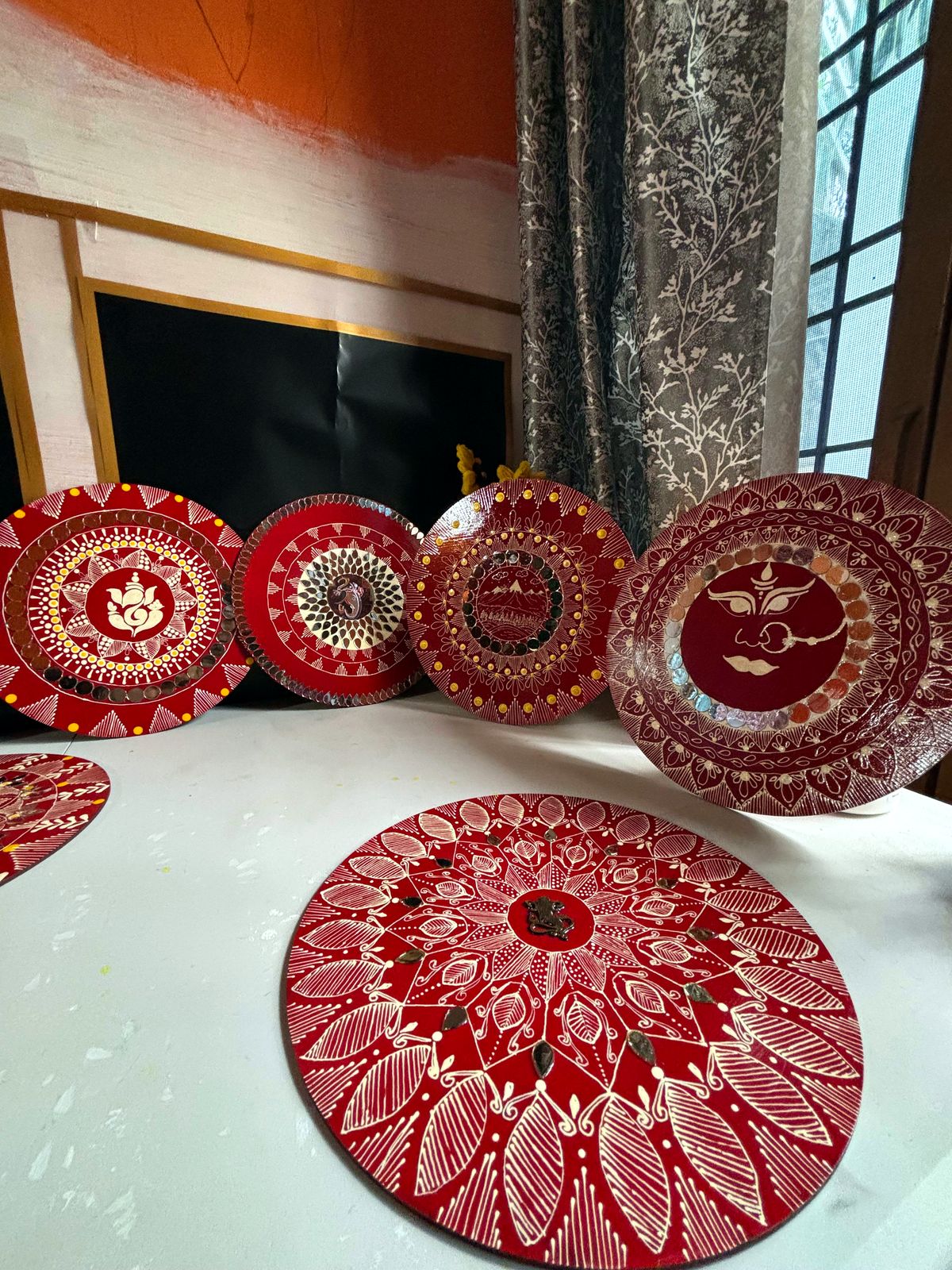
Aipan Art of Kumaon: A Visitor's Guide to the Craft
Aipan is painted by hand in red earth and white rice paste on floors and walls. What it is, how it is made, and what a visitor can learn in a workshop with practising artists.
Agrotourismus im Himalaya: Einen Dorfaufenthalt in Uttarakhand planen
Ein Aufenthalt in einem Bergdorf in Uttarakhand: was ein Besuch umfasst, wann man reist, was zum indischen e-Visum bekannt ist und was Sie vorab klären sollten.
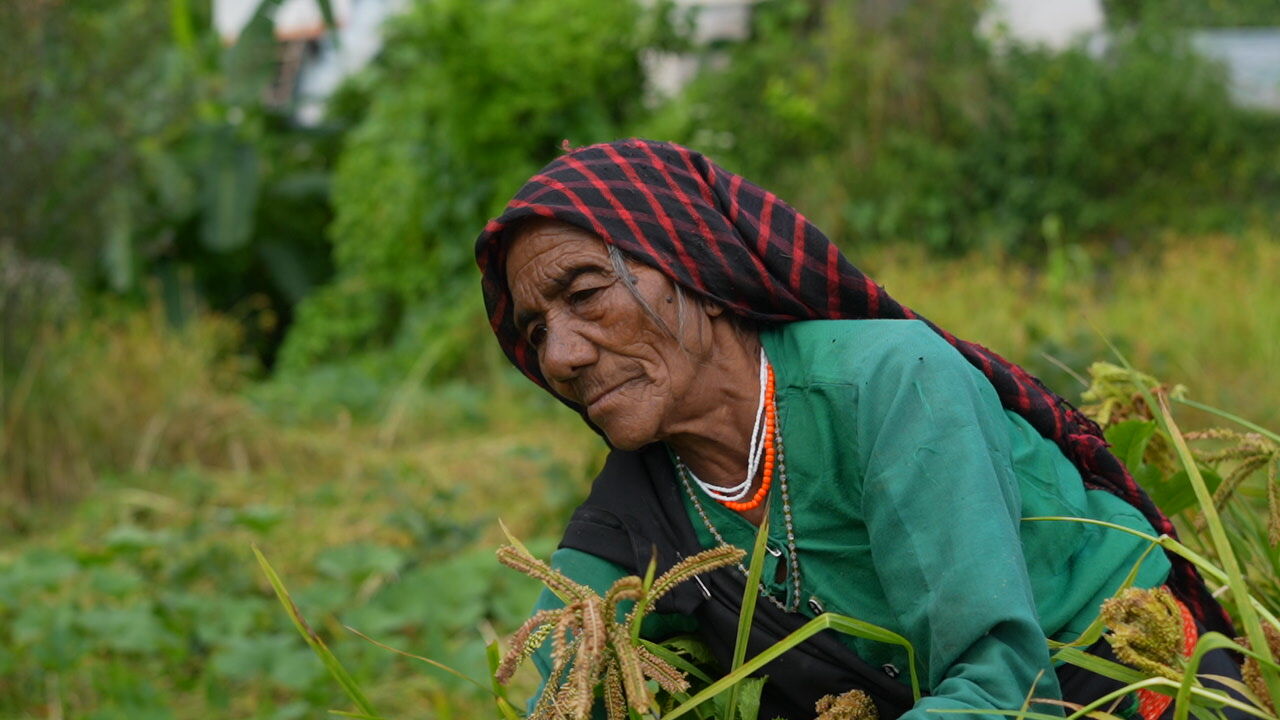
Agrotourisme dans l'Himalaya : préparer un séjour au village en Uttarakhand
Un séjour dans un village de montagne en Uttarakhand : ce que comprend la visite, quand partir, ce que dit la page officielle sur l'e-Visa indien et ce qu'il faut préciser avant le départ.
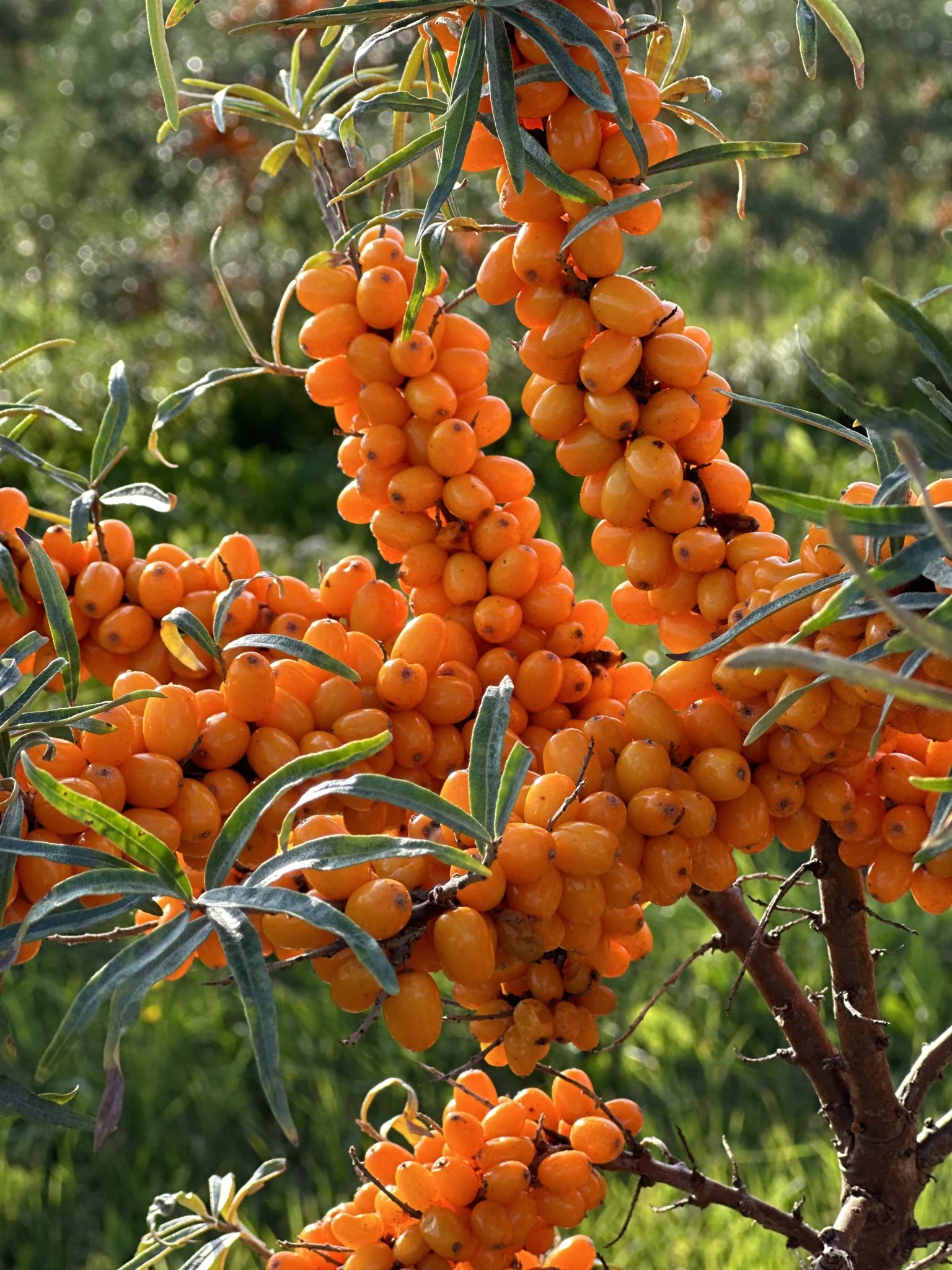
Himalayan Sea Buckthorn: The Complete Scientific & Sourcing Guide for Buyers
GI-tagged, FSSAI-regulated, CTRI-validated: everything B2B buyers need to know about sourcing authentic wild Himalayan sea buckthorn, including how to detect adulteration.
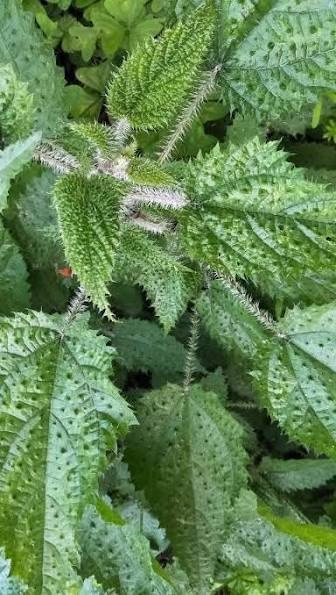
Himalayan Nettle Seed: The Emerging High-Protein Superfood - A Buyer's Guide
FSSAI Schedule IV compliant, 33.77% crude protein: why nettle seed is emerging as a clean-label alternative to soy and pea protein for formulators.
Himalayan Gucchi Morel: The Complete Scientific & Sourcing Guide for Buyers
Genetically distinct from European morels, but a hyperaccumulator of heavy metals: what buyers need to know before sourcing Himalayan Gucchi.
Choosing a Wholesale Himalayan Sea Buckthorn Supplier: What Actually Differs
An honest comparison framework for evaluating Himalayan sea buckthorn suppliers - what to check, what to ask, and where Himalayan Region fits.
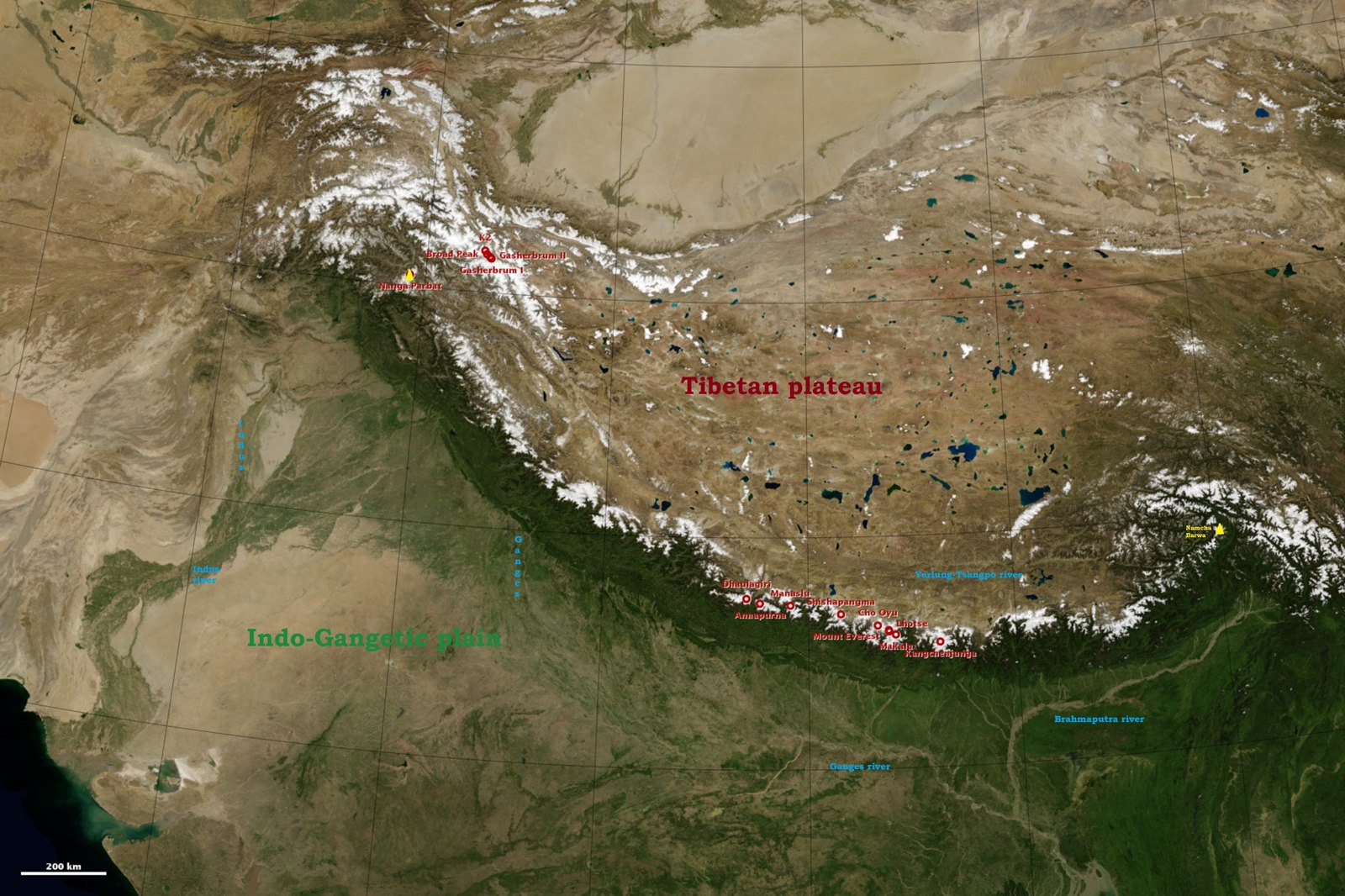
Why Provenance Beats Price in Himalayan Sourcing
For buyers who measure value in traceability, the mountain's harvest is a different order of ingredient. Here is how we document every consignment to a named village and a named hand.
Every product carries a village behind it.
Tell us what you need — samples, a wholesale quote, a private-label brief, or a tourism itinerary. We respond within one business day.