If you grew up in North India, you have eaten rajma. Most of it, though, is the big dark-red kidney bean from the plains. The hill versions are smaller and rounder, and they cook up with a creaminess that people argue about at dinner tables. That is why we list three of them separately, and why a pulse that costs more per kilo can still be the easier sell.
Rajma: Munsiyari, Chakrata and Pahadi
Rajma here is named for where it comes from. Munsiyari rajma is one of the higher-priced items on our list. Chakrata rajma comes from another part of Uttarakhand, and plain pahadi rajma is the everyday hill kidney bean. Buyers sometimes ask us to rank them. We would not: the differences show up in the pot, not on paper. A sample of each costs very little, and ten minutes of cooking will teach you more than any spec sheet.
What we can say honestly is that hill rajma is usually sold by place name and harvest year, so ask for both. Ask too about moisture and how the beans were sorted, because a bag that looks perfect on arrival can disappoint six months later if it went in damp.
Gahat, bhatt and pahadi toor
Gahat (horse gram, kulthi) is dark, earthy and eaten in winter across Kumaon and Garhwal as a thick soup or a dal. It has a loyal following among Uttarakhand families living abroad, which makes it a good lead for an Indian grocery buyer in the Gulf, the UK or North America.
Kala bhatt, the black soybean, is the pulse we get the most blank looks about, and the most delighted ones afterwards. It is cooked as bhatt ki dal, or fried and ground into chutney. If you have never cooked it, sample this one first.
Pahadi toor is the hill pigeon pea (arhar). Small, flavourful, quick to explain.
The grains: red rice, hill basmati and the millets
Himalayan red rice keeps its bran, which is where the colour and the nutty bite come from. It takes longer to cook than white rice and holds its shape. Hill basmati is the long-grain aromatic grown in Uttarakhand, sold under the names buyers search for: Himalayan basmati, Uttarakhand basmati.
Then the millets we already write about at length. Jhangora, mandwa and ramdana are the three we ship most, and our piece on reading a hill field explains what you are looking at when you stand among them.
What goes wrong, and how to avoid it
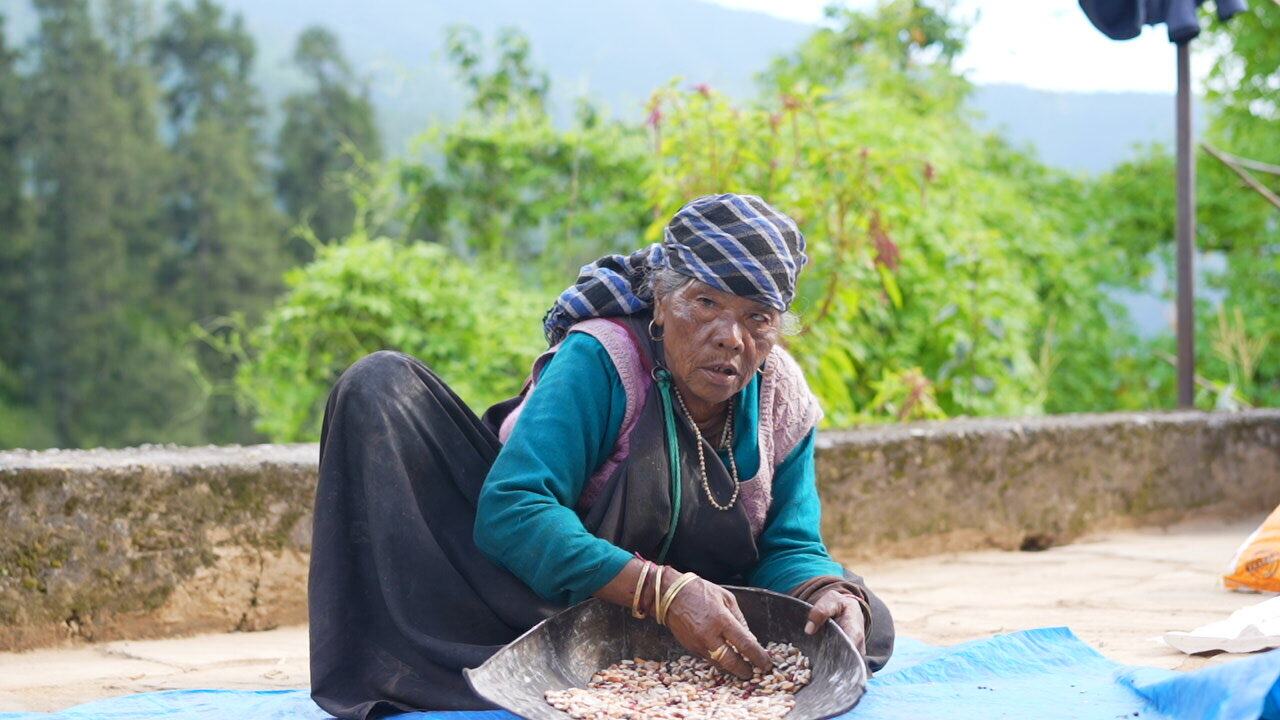
Pulses are forgiving until they are not. The usual trouble is broken beans from rough handling, stones that slipped through sorting, and moisture that creeps up in transit. Ask for a sample from the actual lot, not a "typical" one. Ask what sorting was done and by whom. Ask how the goods will be packed for a sea shipment.
None of this replaces testing by your own lab on arrival. We would sooner you did.
Who buys these
Mostly Indian grocery importers, restaurants that want a regional story, health-food shops looking for a heritage bean or millet, and private-label brands. Our value-added range (millet biscuits, millet noodles, ragi chips and red-rice crackers) uses the same grains, for brands that would rather buy a finished snack than a sack.
Every item above sits on our full product list with its SKU. Tell us the quantity, grade and destination port and we can quote.